
How Food and Beverage Product Innovation Can Impact Health Equity
Summary
Food and beverage product innovation can support health equity when it improves everyday access to better nutrition. Products that are healthier, affordable, convenient, culturally relevant, and widely available can help reduce barriers that shape diet quality.
Health equity requires brands to look beyond premium wellness consumers. Many consumers want healthier choices, but cost, time, access, taste, and trust determine whether those choices are realistic.
Better-for-you innovation works best when it solves a real consumer job. Protein, fiber, lower sugar, lower sodium, gut health, and portion-smart formats are strongest when they connect to specific needs such as satiety, GLP-1 support, energy, aging, family nutrition, or convenience.
Small improvements at scale can matter. Reformulating high-consumption products, improving nutrient density, reducing excess sodium or added sugar, and making healthier formats more accessible can create meaningful public health impact.
The strongest CPG brands align health innovation with brand values and business models. Health-focused innovation should not be a detached claim strategy. It should reflect what the brand believes, its core values, who it serves, and how it can credibly improve consumers’ lives.
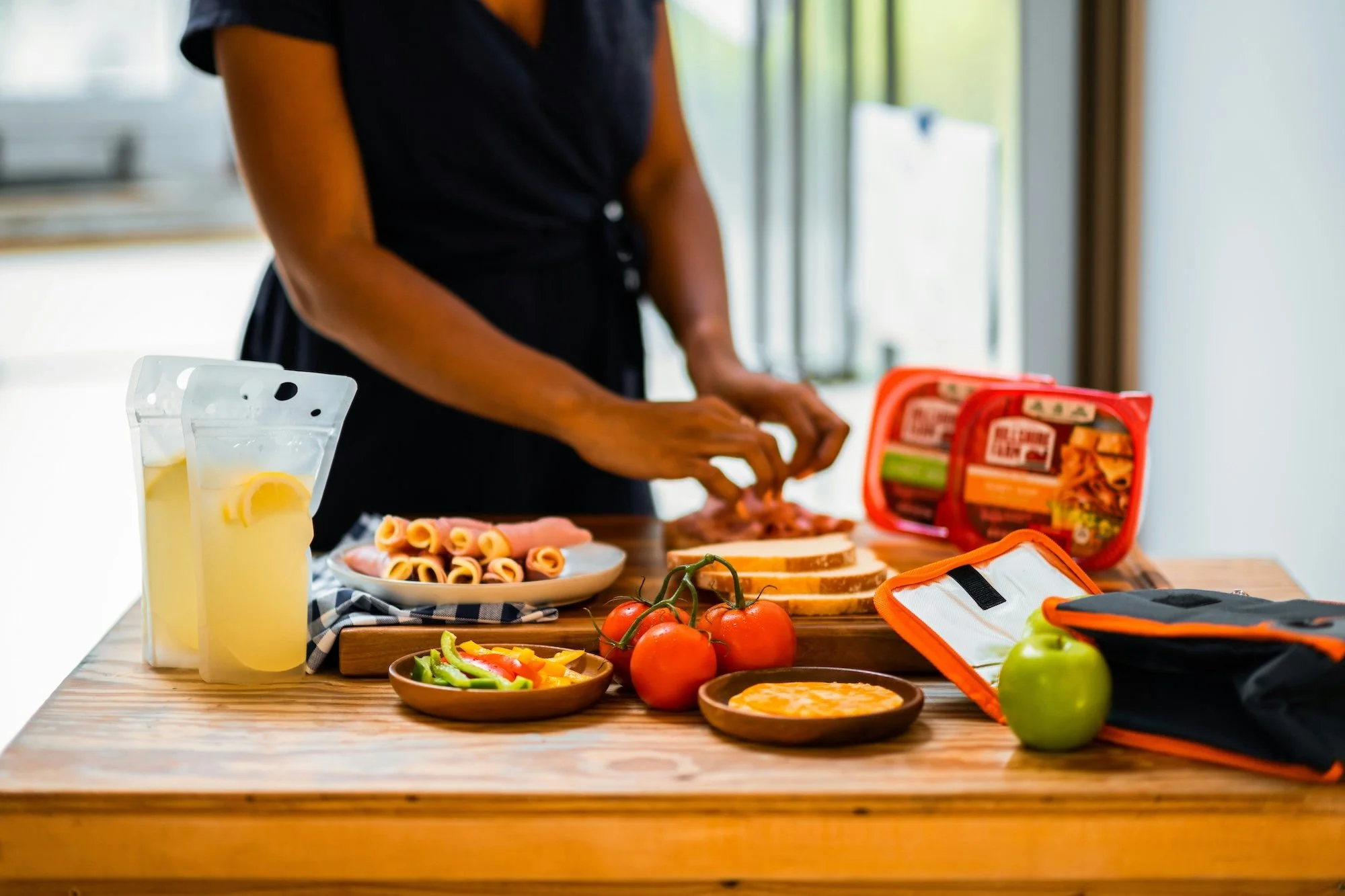
Food and beverage product innovation is often discussed through the lens of growth: new categories, new formats, new claims, new consumer occasions, and new sources of revenue.
That lens matters. CPG companies need products that perform commercially. But there is another way to look at innovation that deserves attention: the role it can play in health equity.
Food is one of the most widely distributed inputs into public health. People interact with it every day, across income levels, geographies, cultures, life stages, and health needs. That means food and beverage companies have an opportunity to do more than follow wellness trends. They can create products that make healthier choices easier, more accessible, and more aligned with how people actually live.
That does not mean every product needs to become a medical intervention. It does mean that product innovation can be designed with a clearer understanding of consumer needs, health barriers, affordability, access, and nutritional impact.
For CPG brands who adopt consumer well-being to their list of values, innovation can be a way to make products that serve real consumer jobs while also moving people toward better health outcomes.
Health Equity Starts With the Reality of Everyday Food Choices
Health equity is often discussed in healthcare settings, but food is deeply connected to the same conversation. People do not make food choices in a vacuum. They make them inside the reality of their budget, schedule, neighborhood, cultural preferences, family needs, medical concerns, retail access, and trust in brands.
For many consumers, healthier food has to clear a high bar. It has to taste good. It has to fit the budget. It has to be easy to find. It has to be simple to prepare. It has to work for the household. It has to feel familiar enough to be adopted, but meaningfully better enough to matter. This is where food and beverage product innovation can make a difference.
When brands improve products that people already buy, or create new products that solve real needs more nutritiously, they are not just chasing a trend. They are shaping the everyday food environment. Because health outcomes are not influenced only by individual intention. They are shaped by what the market makes available, affordable, appealing, and easy to choose.
The Public Health Case for Better Product Innovation
The health context is significant. The CDC identifies poor nutrition as one of the short list of major risk factors that contribute to chronic disease, including conditions such as heart disease, type 2 diabetes, and some cancers. At the same time, the CDC’s National Center for Health Statistics has reported that ultra-processed foods account for more than half of calories consumed by Americans, with an even higher share among children and adolescents.
Food insecurity adds another layer. USDA data shows that 13.7% of U.S. households were food insecure at some point in 2024, representing 18.3 million households. When families are managing limited budgets, inconsistent access, or competing demands, healthier choices may be desired but still difficult to make.
This is why health equity is not only about education, but also product design, pricing, availability, and relevance.
A better-for-you product that only works for affluent consumers shopping premium natural channels may succeed commercially, but its broader health impact is limited. A reformulated mainstream product, a more nutritious affordable snack, a higher-fiber pantry staple, or a protein-forward meal option available through broad retail may have a different kind of reach.
Health innovation is not only about launching the next wellness product. For some brands, it can be about understanding where the brand has the power to improve nutrition in the places consumers already are.
From Health Trends to Health Jobs
One of the challenges in food and beverage product innovation is that health trends can become detached from consumer needs.
What counts as “healthy” is not static. It evolves as nutrition science advances, consumer behavior changes, medical context shifts, and public understanding catches up. The way consumers think about fat, sugar, protein, fiber, carbohydrates, gut health, ultra-processed foods, sodium, and functional ingredients has changed significantly over time, and it will continue to change.
That matters for CPG brands because health-focused innovation cannot rely only on today’s most visible claim. A product that looks aligned with the current wellness conversation may still miss the deeper consumer job. Conversely, an ingredient or benefit that once felt niche may become more relevant as people’s health needs, routines, and expectations evolve.
Protein is a useful example. For some consumers, protein supports satiety and meal replacement. For others, it supports active lifestyles, aging, strength, weight management, or recovery. For consumers using GLP-1 medications, protein can be part of a more intentional approach to nutrition as reduced appetite changes how much and how often they eat.
In those contexts, protein is not just a fad. It is a response to a real consumer job.
The same principle applies to other health-oriented innovation spaces. A high-fiber product may support gut health, satiety, or blood sugar management. A lower-sodium product may support heart health without asking consumers to give up familiar foods. A reduced-sugar beverage may help consumers manage daily intake while still delivering a satisfying taste experience. A fortified product may support nutrient gaps for specific life stages. A portion-smart snack may help consumers enjoy indulgence with more control.
The point is not that every trend is automatically good for people, or that every wellness claim deserves to become a product strategy. The point is that health trends become more useful when brands look beneath the claim and ask what is really changing for the consumer.
What need are they trying to meet?
What tradeoff are they trying to manage?
What barrier is making a healthier choice harder?
What does “better for you” mean in the context of their real life?
That is where food and beverage product innovation can become more meaningful. The strongest opportunities come from translating evolving health signals into products that help people accomplish something real, in a way that is accessible, credible, and aligned with the brand’s role in their lives.
Why “Better for You” Has to Mean Better for Real Life
Many better-for-you products struggle because they are designed for an idealized consumer, not a real one. The idealized consumer has time to cook, money to spend, access to high-quality retail, comfort interpreting claims, and the willingness to change routines quickly.
The real consumer may be shopping on a budget, feeding multiple people, managing a health condition, working long hours, relying on convenience, or choosing between imperfect options. Food and beverage brands that want to support health equity need to design for the conditions that shape adoption. That means asking practical questions early in the innovation process.
Will this product be affordable enough for the consumer we say we want to serve?
Will it be available in the channels where they actually shop?
Does the pack size fit the household and the occasion?
Does the product require education, preparation, or behavior change that may limit adoption?
Does the flavor system feel culturally relevant?
Does the brand language build trust, or does it sound like wellness marketing for someone else?
These questions do not weaken innovation. They strengthen it. A product that fits real life is more likely to be purchased, repeated, recommended, and integrated into daily routines. That is where both commercial performance and health impact become more plausible.
Reformulation Can Be Innovation, Too
CPG often celebrates breakthrough launches, but some of the most important health-oriented innovation happens inside existing products. Reformulation can be a powerful lever because it reaches consumers through products they already know and buy.
Reducing sodium in a widely consumed product, improving fiber content in a staple food, lowering added sugar in a family beverage, improving fat quality, adding whole grains, increasing protein quality, or improving portion design may not always look like dramatic innovation from the outside. But at scale, those changes can matter.
The FDA’s sodium reduction work reflects this principle. The agency has emphasized that even modest improvements across the population can produce meaningful public health benefits, and it has issued voluntary sodium reduction targets across commercially processed, packaged, and prepared foods.
This is an important model for CPG innovation. Not every health impact comes from asking consumers to choose an entirely different product. Sometimes the opportunity is to make the products they already choose work harder for their health.
The strategic challenge is preserving taste, texture, affordability, shelf life, manufacturability, and brand trust while improving the nutritional profile. That is not simple. It requires cross-functional innovation across R&D, consumer insight, sensory, sourcing, manufacturing, packaging, regulatory, and commercial teams. But it is exactly the kind of work that can align brand growth with broader public health value.
Health Equity Also Requires Trust
Consumers are surrounded by health claims, and many are reasonably skeptical. The food industry has a long history of turning health language into marketing language. Low-fat, keto, natural, clean, high-protein, gut-friendly, plant-based, functional, and immunity-supporting claims have all been used in ways that range from meaningful to confusing.
For health-focused innovation to build trust, brands need clarity and credibility. That means being specific about what the product does and does not do. It means claims should be understandable, supportable, and connected to the actual product experience. It means avoiding exaggerated promises or wellness language that creates more confusion than confidence.
For CPG brands, trust is built when the product, claim, ingredient system, price, and experience all align. That is also where brand values matter.
If a company says it exists to nourish families, democratize wellness, improve everyday meals, celebrate cultural foodways, or make health more accessible, then product innovation has the opportunity to bring that promise into tangible form.
Health equity is not only a purpose statement. It has to show up in the product.
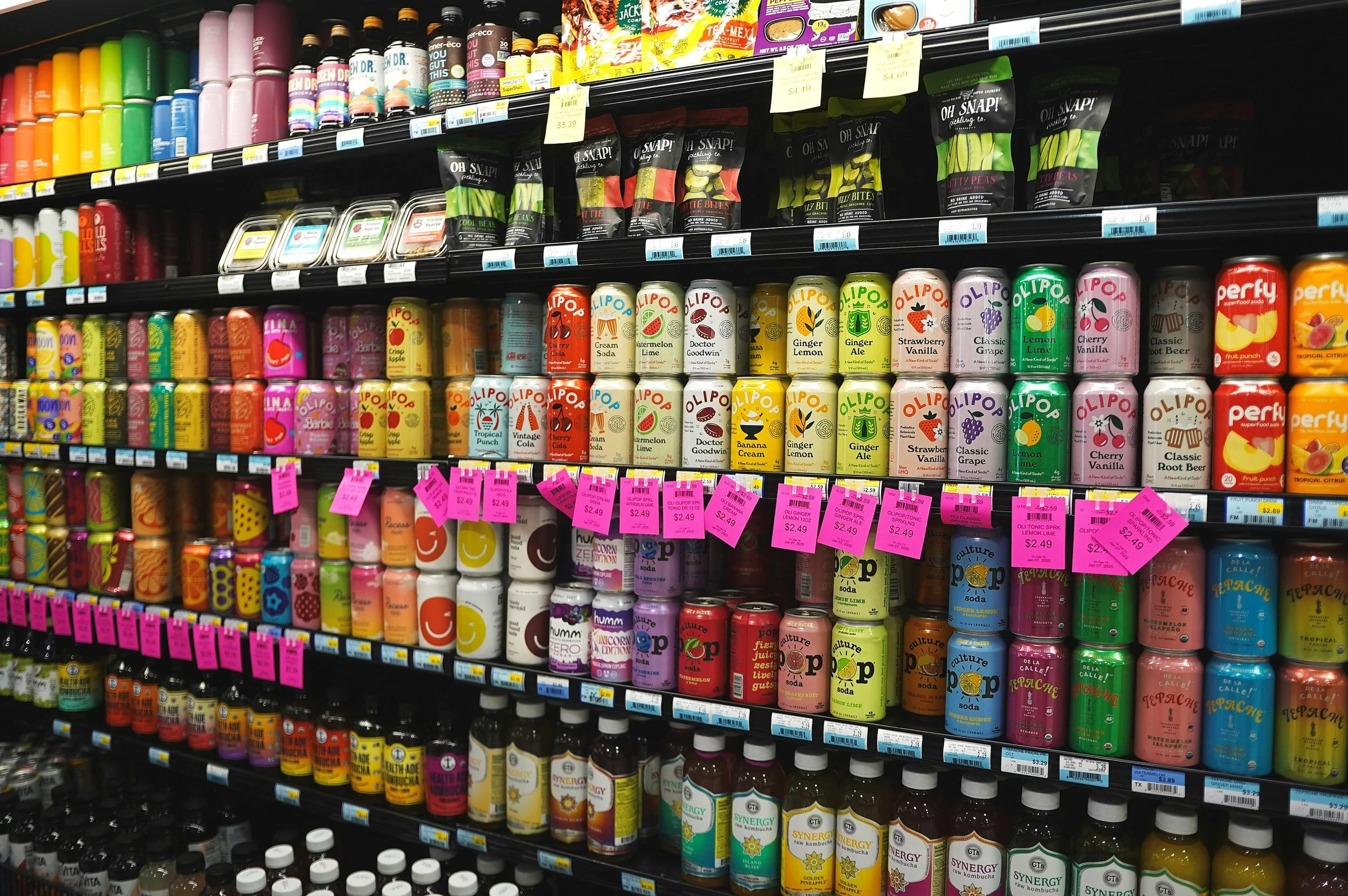
Where Food and Beverage Product Innovation Can Make a Measurable Difference
Food and beverage companies can support health equity in several practical ways.
One path is improving nutrient density in products that already have high household penetration. This might mean more protein, more fiber, more whole grains, more fruit or vegetable inclusion, better fat quality, or targeted fortification where it supports a real need.
Another path is reducing nutrients of public health concern without asking consumers to compromise on taste. Sodium, added sugar, and saturated fat are all areas where thoughtful reformulation can matter, especially when changes are made gradually and intelligently.
Brands can also design for specific life stages and health contexts. Children, older adults, athletes, busy parents, shift workers, consumers using GLP-1 medications, and people managing chronic conditions may all have different nutrition jobs to be done.
Affordability is another important lever. A product cannot support health equity if it is priced out of reach for the consumers most likely to benefit. That does not mean every product has to be low-cost, but it does mean pricing, pack size, channel, and value architecture should be part of the innovation brief.
Finally, brands can support better decision-making through clearer labeling, simpler claims, and product information that helps shoppers quickly understand the benefit. This will become even more important as AI-mediated discovery, retailer search, and product data shape how consumers find and compare products.
The Business Case Is Real
Health equity and growth do not have to sit on opposite sides of the strategy.
Consumers are actively looking for products that support health and wellness. IFIC’s 2025 Food & Health Survey found that consumers continue to connect food choices with physical and mental well-being, and IFIC’s protein research shows that protein remains one of the most resonant nutrition areas for U.S. consumers.
NielsenIQ’s 2025 global health and wellness research also points to growing demand for high-fiber foods, high-protein plant-based foods, probiotic foods, and other products tied to nutrition and gut health.
For brands, this means health-oriented food innovation can create commercial opportunity when it is designed well. The strongest opportunities often sit at the intersection of three questions:
What does the consumer need?What can the brand credibly provide?What would meaningfully improve the product’s health value?
When those answers overlap, innovation can support both business growth and consumer well-being.
A Practical Framework for Health-Forward Innovation
Before advancing a health-oriented product idea, food and beverage teams should ask five questions.
What health-related job is the product helping consumers accomplish? This may be satiety, energy, digestive comfort, lower sugar intake, heart health, muscle maintenance, family nutrition, meal replacement, or easier everyday balance.
Who is the product designed to serve, and what barriers shape their choices? Cost, access, time, taste expectations, cultural relevance, health literacy, and trust should all be considered.
What improvement would be meaningful enough to matter but realistic enough to scale? Some opportunities require a new product. Others may be better served through reformulation, pack architecture, portion design, or clearer claims.
Can the brand deliver the benefit credibly? The product should align with the brand’s values, expertise, channel strategy, price point, and consumer permission.
What evidence will determine whether the innovation is working? Sales matter, but health-forward products may also benefit from measuring repeat, household penetration, claim comprehension, substitution behavior, consumer satisfaction, and access through priority channels.
These questions help teams move beyond wellness language and toward better product decisions.
Final Thought
Food and beverage product innovation cannot solve health inequity, but it can play a meaningful role.
The industry has the scale, reach, technical capability, and consumer proximity to improve the foods and beverages people encounter every day. That creates an opportunity to think beyond novelty and ask a more consequential question: How can this product help people live better?
For some brands, the answer may be a new functional product. For others, it may be a smarter reformulation, a more accessible pack size, a clearer claim, a better price architecture, or a product designed around a specific nutrition job.
The best health-forward innovation is not only better for the consumer. It is better aligned with the brand’s values, better grounded in real behavior, and better designed to create durable growth.
That is where food and beverage companies can make the biggest difference: by creating products that are easier to choose, easier to trust, and meaningfully better for more people.
Integral CPG is a food and beverage innovation partner for CPG brands. If you want to understand more about how product innovation can impact health equity, send us a note!
People Also Ask
How can food and beverage product innovation support health equity?
Food and beverage product innovation can support health equity by making healthier products more available, affordable, convenient, culturally relevant, and appealing. This can include reformulating existing products, improving nutrient density, reducing sodium or added sugar, creating better-for-you options for specific consumer needs, and expanding access through mainstream retail channels.
What is the connection between food innovation and public health?
Food innovation affects public health because packaged foods and beverages are part of everyday eating patterns. When brands improve the nutritional quality, affordability, availability, and clarity of widely consumed products, they can influence diet quality at scale.
Are health trends like protein actually good for consumers?
Health trends such as protein can be beneficial when they are connected to a real consumer need, such as satiety, muscle maintenance, aging, active lifestyles, or nutrition support during GLP-1 use. The value depends on the product’s full nutritional profile, ingredient quality, serving size, and role in the consumer’s overall diet.
Why does health equity matter for CPG brands?
Health equity matters for CPG brands because food companies shape the choices available to consumers every day. Brands that improve access to better nutrition can strengthen trust, align innovation with values, serve consumers more meaningfully, and create growth opportunities grounded in real needs.
What makes better-for-you innovation successful?
Better-for-you innovation succeeds when it balances nutrition, taste, affordability, convenience, cultural relevance, claims credibility, and commercial feasibility. Consumers are more likely to adopt healthier products when they fit naturally into existing routines.
How can brands make existing products healthier?
Brands can make existing products healthier through reformulation, portion design, ingredient upgrades, sodium reduction, added sugar reduction, improved fiber or protein content, whole grain inclusion, better fat quality, and clearer labeling. The best approach depends on the product, consumer, category, and brand promise.
