
Was Flavormaxxing Key to CPG Product Innovation in 2025?
Summary
Flavormaxxing refers to combining multiple contrasting flavors and textures within a single product, a trend inspired by bakery culture and amplified by social media.
The concept reflects growing consumer interest in bold, layered taste experiences.
Restaurants often lead these trends before they appear in packaged food innovation.
In 2025, CPG industry signals suggested that while the term itself remained niche, the underlying principle was becoming increasingly influential in CPG product innovation across snacks, beverages, and packaged foods.
CPG brands can apply flavormaxxing by balancing novelty, accessibility, and repeatability in product design.
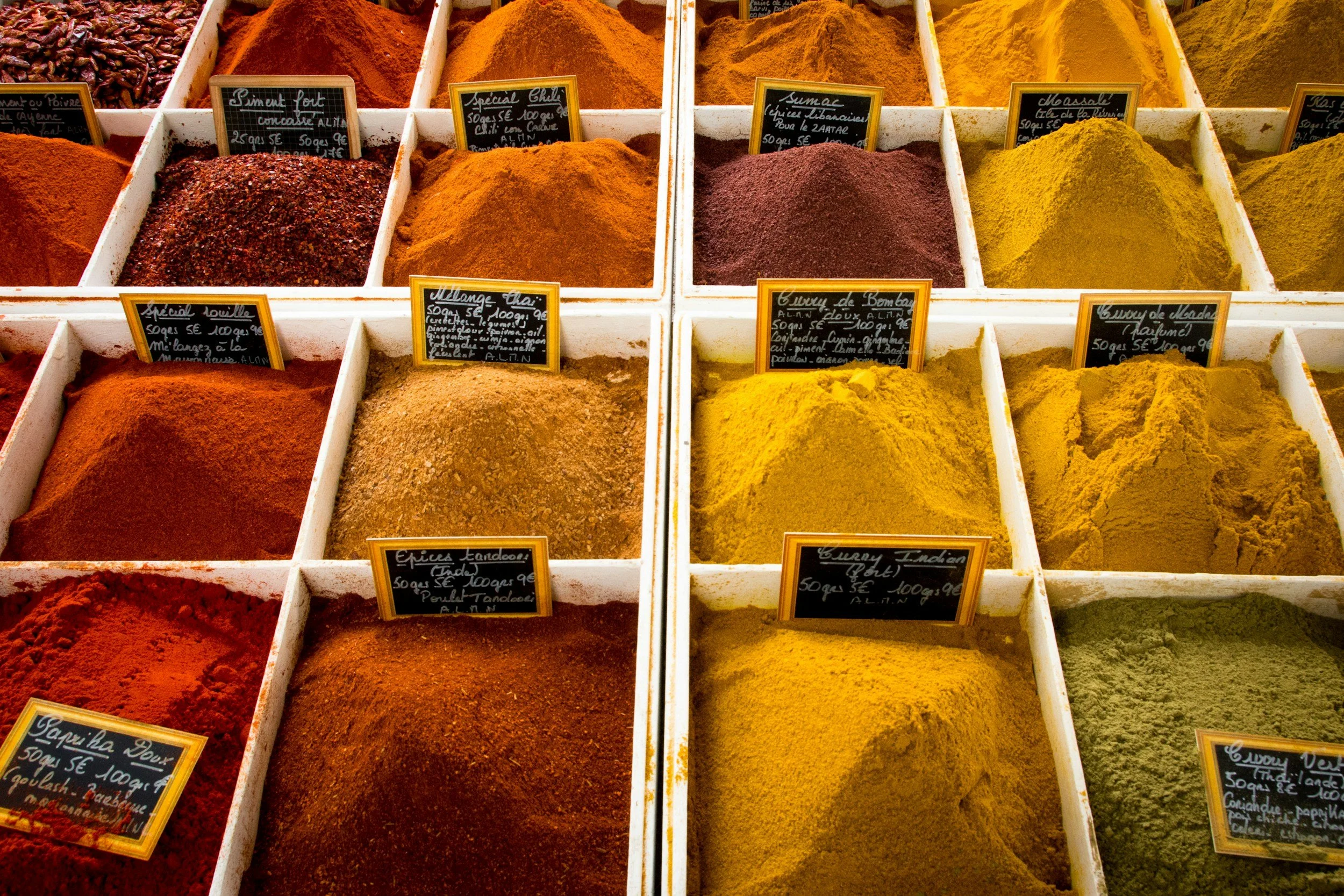
The hallmark of “flavormaxxing’ is intense, contrasting flavors.
A Prediction from the Summer of 2025
During the summer of 2025, we raised a question: would 2025 become the “Summer of Flavormaxxing”?
Flavormaxxing is the practice of layering multiple, often contrasting flavors and textures within a single bite to create a heightened sensory experience. In culinary terms, the idea is simple: amplify flavor intensity and contrast to deliver a memorable eating experience.
At the time, food culture, especially within bakeries and dessert shops, was increasingly embracing elaborate flavor compositions. Consumers were lining up for creations like toasted brown rice mousse cakes, black sesame pastries, and citrus-layered desserts, signaling a shift toward more immersive flavor experiences.
But the deeper question is how far this movement would expand into CPG product innovation.
Why Flavormaxxing Has Been Gaining Momentum
Several cultural and behavioral shifts were fueling the rise of flavor experimentation in 2025.
1. Consumers Were Already Exploring Global Flavors
Food media and digital storytelling have steadily expanded consumer palates over the past decade. Programs like Chef’s Table and the late Anthony Bourdain’s travel series exposed audiences to international ingredients and culinary traditions.
More recently, social media accelerated this exposure dramatically.
Short-form video platforms regularly feature chefs, street vendors, and food creators showcasing bold global flavors, from Japanese desserts to Southeast Asian spice blends, who are introducing millions of viewers to new taste combinations.
2. Social Media Turned Food into Shareable Experiences
The visual and narrative power of food has made it one of the most shareable forms of content online.
According to industry reporting, around 70% of Gen Z consumers discover new food trends through social media platforms.
This dynamic creates a constant search for novelty, contrast, and visual intrigue, all qualities that flavormaxxing naturally delivers.
Food that surprises people tends to travel farther online.
3. Fewer Indulgence Occasions Raised the Stakes
At the same time, younger consumers are moderating certain indulgent behaviors.
For example, alcohol consumption among Gen Z has declined compared with previous generations, according to several industry studies. This shift may mean that when consumers do indulge, whether with dessert, snacks, or specialty beverages, they expect a more memorable experience per occasion.
In other words, every bite needs to deliver more impact.
Did Flavormaxxing Influence CPG Product Innovation in 2025?
Now that the year has passed, we can evaluate our prediction.
While the term “flavormaxxing” itself did not become an official industry buzzword (although was still present in many industry conversations), the underlying concept - layered, contrast-driven flavor innovation - clearly gained traction across multiple product categories.
Several signals point to this shift.
Signal 1: Hybrid Flavor Trends Continued to Grow
One precursor to flavormaxxing was the “swicy” trend; the combination of sweet and spicy flavors.
Major brands across sauces, snacks, and beverages introduced variations on this theme throughout 2024 and 2025. Industry coverage highlighted the continued expansion of sweet-heat flavor combinations across snack products and restaurant menus.
These products demonstrated the appeal of contrast-based flavor experiences, a core principle behind flavormaxxing.
Signal 2: Global Flavor Pairings Became More Adventurous
Across packaged foods, brands began experimenting with combinations that once would have seemed unconventional.
Examples include:
yuzu-infused desserts
chili-lime snack products
sesame-based sweets
tamarind and mango flavor blends
Many of these combinations borrow directly from global culinary traditions.
But what distinguishes them today is the deliberate layering of multiple sensory notes like sweet, sour, spicy, bitter, and umami within a single product.
Signal 3: Snack Innovation Embraced Flavor Complexity
Snack manufacturers increasingly introduced products featuring multi-layered flavor systems, such as:
seasoning blends with sweet, spicy, and savory elements
sauces integrated directly into snack formats
contrasting textures paired with bold seasoning profiles
Industry analysts have noted that flavor innovation remains one of the most effective ways for snack brands to drive excitement and trial.
Signal 4: Restaurants Continued to Lead the Way
As predicted, restaurants and bakeries remained innovation laboratories for flavor experimentation. Many CPG trends begin in foodservice before translating into packaged products.
When consumers experience a bold flavor combination at a restaurant and then see a similar profile on store shelves, the familiarity reduces risk and increases willingness to try.
This pipeline continues to be one of the most powerful drivers of CPG product innovation.
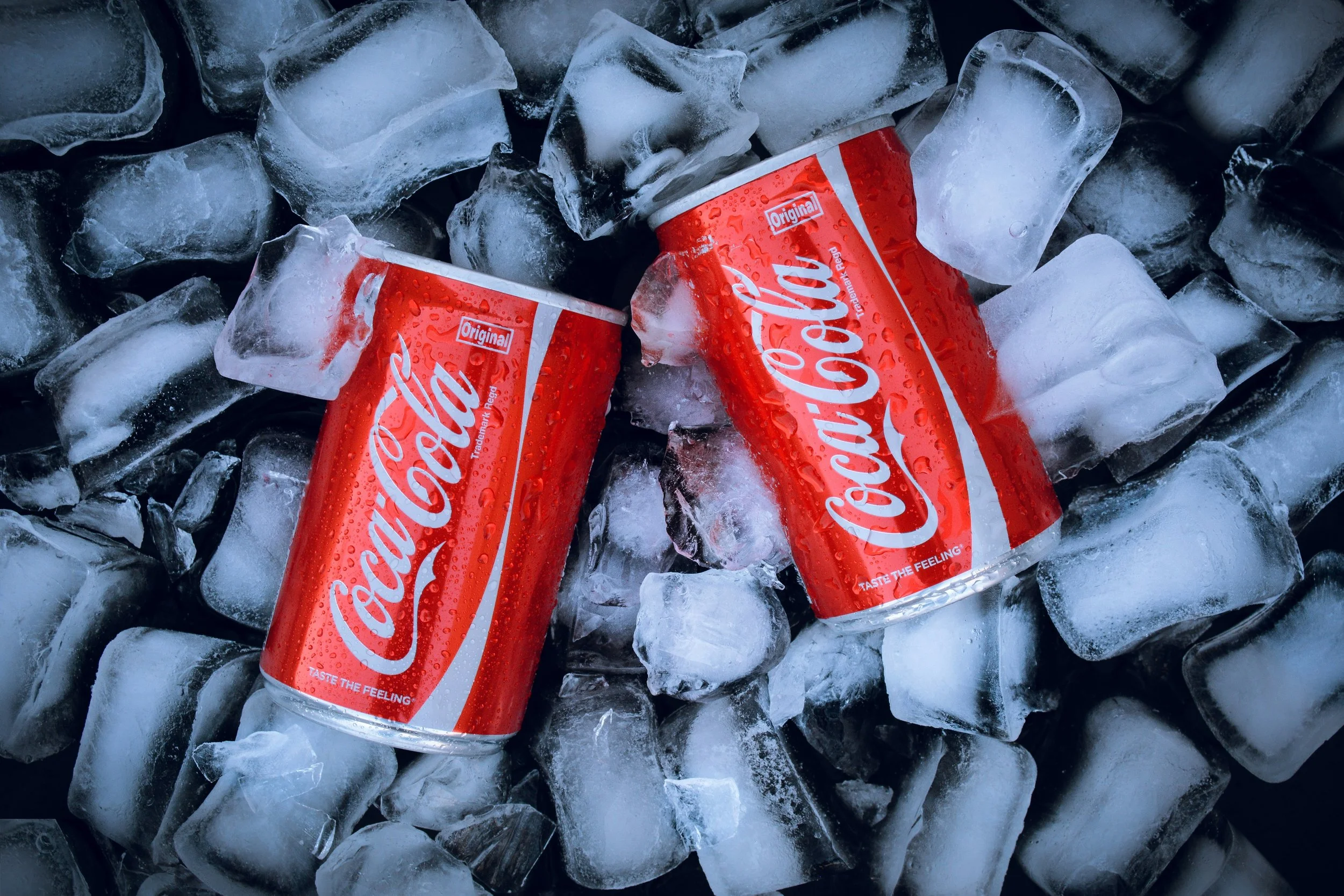
Coca-Cola has introduced limited-edition flavors inspired by unexpected themes, combining familiar cola taste with unusual flavor elements designed to create novelty and conversation.
Examples of Flavormaxxing in CPG Products
While the word flavormaxxing may not appear on packaging, the concept of layering bold, contrasting flavors has clearly made its way into CPG product innovation pipelines. Several recent products illustrate how brands are translating this idea into packaged formats.
Takis: Intensity as a Design Principle
Few snack brands embody flavormaxxing more clearly than Takis, whose core appeal is built on aggressive flavor layering of spicy, sour, and salty notes that are delivered simultaneously.
The brand’s signature Fuego flavor combines chili pepper heat with citrus acidity and intense seasoning coverage, creating a sensory experience that is intentionally overwhelming in the best possible way. This approach has helped the brand grow rapidly among younger consumers looking for bold, shareable snacks.
Fly By Jing: Global Flavor Complexity Goes Mainstream
The explosive growth of chili crisp products in recent years reflects another version of flavormaxxing.
Brands like Fly By Jing have popularized sauces that combine:
chili heat
savory umami
fermented depth
crunchy texture
aromatic spices
The result is not just a sauce, but a multi-layered flavor system that transforms simple foods like noodles, rice, or eggs into a more complex culinary experience.
Industry analysts have noted that chili crisp’s rise represents a broader shift toward global flavor exploration within packaged foods.
Coca-Cola Creations: Flavor Mashups as Cultural Experimentation
Beverage companies have also begun experimenting with unconventional flavor combinations.
Through its Coca-Cola Creations platform, Coca-Cola has introduced limited-edition flavors inspired by unexpected themes, combining familiar cola taste with unusual flavor elements designed to create novelty and conversation.
These launches often prioritize sensory intrigue and cultural storytelling, reinforcing the idea that consumers are increasingly interested in multi-dimensional taste experiences.
How CPG Brands Can Apply Flavormaxxing in Product Development
For innovation teams, the lesson from the flavormaxxing conversation is not simply to launch more extreme flavor combinations. Instead, it highlights how modern consumers respond to contrast, depth, and discovery in everyday eating experiences.
Applying this thinking effectively requires a disciplined innovation approach.
1. Start with the Consumer’s Job
Before experimenting with bold flavors, brands must understand the role the product plays in the consumer’s life.
A snack designed for quick energy during the workday requires a different flavor experience than a snack meant for indulgent entertainment or social sharing.
Flavormaxxing works best when flavor complexity enhances the job the product is already hired to do, rather than distracting from it.
2. Use Contrast Strategically
The most successful flavor innovations rarely rely on intensity alone.
Instead, they combine contrasting taste elements that create a layered experience:
sweet and spicy
salty and sour
creamy and crunchy
umami and citrus
These contrasts create the sense of discovery that makes a product feel more interesting without requiring consumers to adopt entirely unfamiliar foods.
3. Translate Culinary Trends into Accessible Formats
Many flavor innovations begin in restaurants, bakeries, and street food cultures.
CPG brands succeed when they translate those ideas into formats that fit everyday routines, such as snacks, beverages, sauces, or frozen foods.
The goal is to capture the excitement of culinary experimentation while maintaining familiar product structures that consumers already understand.
4. Design for Shareability
Social media continues to play a major role in how consumers discover new foods.
Flavor combinations that surprise or delight consumers are more likely to be shared, discussed, and recommended online.
Products that visually or conceptually stand out can benefit from organic discovery and cultural amplification, particularly among younger consumers.
5. Balance Novelty with Repeatability
Finally, successful innovation requires balancing novelty with long-term appeal.
While bold flavors may initially attract attention, products must ultimately deliver repeat purchase behavior to sustain growth.
Innovation teams should test whether complex flavor experiences remain enjoyable across multiple consumption occasions.
If the product only works once, it may create buzz but not a durable business.
Why This Matters for CPG Product Innovation
The broader lesson of flavormaxxing is not that every product should become more extreme.
Instead, it reflects a growing consumer expectation that food should deliver more engaging sensory experiences, even within familiar categories.
For innovation leaders, that means designing products that balance:
familiarity and surprise
simplicity and complexity
novelty and everyday usability
When done well, this approach can help brands create products that feel both new and immediately understandable, which is one of the most powerful combinations in modern CPG product innovation.
In other words, modern food innovation is not just about what something tastes like. It’s about how the experience unfolds.
A Question for Innovation Teams
For CPG innovation leaders, the relevant question isn’t whether flavormaxxing becomes a permanent industry term.
Instead, the question is: How can your brand create flavor experiences that feel richer, more surprising, and more memorable?
That might mean:
pairing unexpected ingredients
introducing contrast within a single product
borrowing inspiration from global cuisines
combining flavor and texture innovations
The goal is not complexity for its own sake. The goal is creating experiences that consumers remember.
Is your team curious about how flavormaxxing might fit into your product innovation strategy? Contact us to schedule a call.
People Also Ask
What is flavormaxxing?
Flavormaxxing is an emerging food innovation concept focused on layering contrasting flavors and textures to create more complex and immersive eating experiences. The idea gained attention in 2025 as restaurants and bakeries experimented with combinations such as sweet-spicy, citrus-umami, and globally inspired flavor mashups.
While the term itself remains niche, the underlying principle has influenced CPG product innovation, with brands increasingly designing snacks, beverages, and packaged foods that deliver bold, multi-dimensional flavor experiences.
How does flavormaxxing influence CPG product innovation?
Flavormaxxing encourages brands to design products that deliver bold and contrasting flavor profiles. Flavor complexity has become a powerful tool for differentiation in crowded food categories. As consumers seek novelty, shareability, and global flavor exploration, brands are increasingly using contrast-driven flavor design to increase consumer excitement and trial by creating memorable eating experiences.
Are complex flavors becoming more popular in packaged foods?
Yes. Many CPG brands are experimenting with layered flavor systems, global ingredients, and sweet-spicy combinations to create more dynamic taste experiences.
Why are bold flavor combinations trending?
Social media, global culinary exposure, and changing indulgence habits have increased consumer demand for unique and visually interesting food experiences.
