
Oatly and the Power of Iterative Brand Transformation
Innovation by Design | Case Study #1: Oatly
Innovation by Design is a series presented by Integral CPG and Horizon X, in which we explore how successful brands have used intentionally iterative design to drive successful food and beverage innovation.
We define ‘iterative design’ as a product innovation philosophy that involves a stated intention - and supporting process - to continually improve a new offering through intentional iterative consumer exposure, learning and change actions.
Snapshot
Oatly transformed from a niche lactose-free product into a global plant-based leader by reframing its value from functional health to sustainability and lifestyle relevance, driving revenue growth from ~$20M in 2012 to over $800M in 2024.
Oatly’s story is a reminder that breakthrough growth often comes from reinterpreting what already exists, not starting from scratch. The most effective food innovation companies don’t just create new ideas; they design systems that learn, adapt, and evolve via iteration over time.
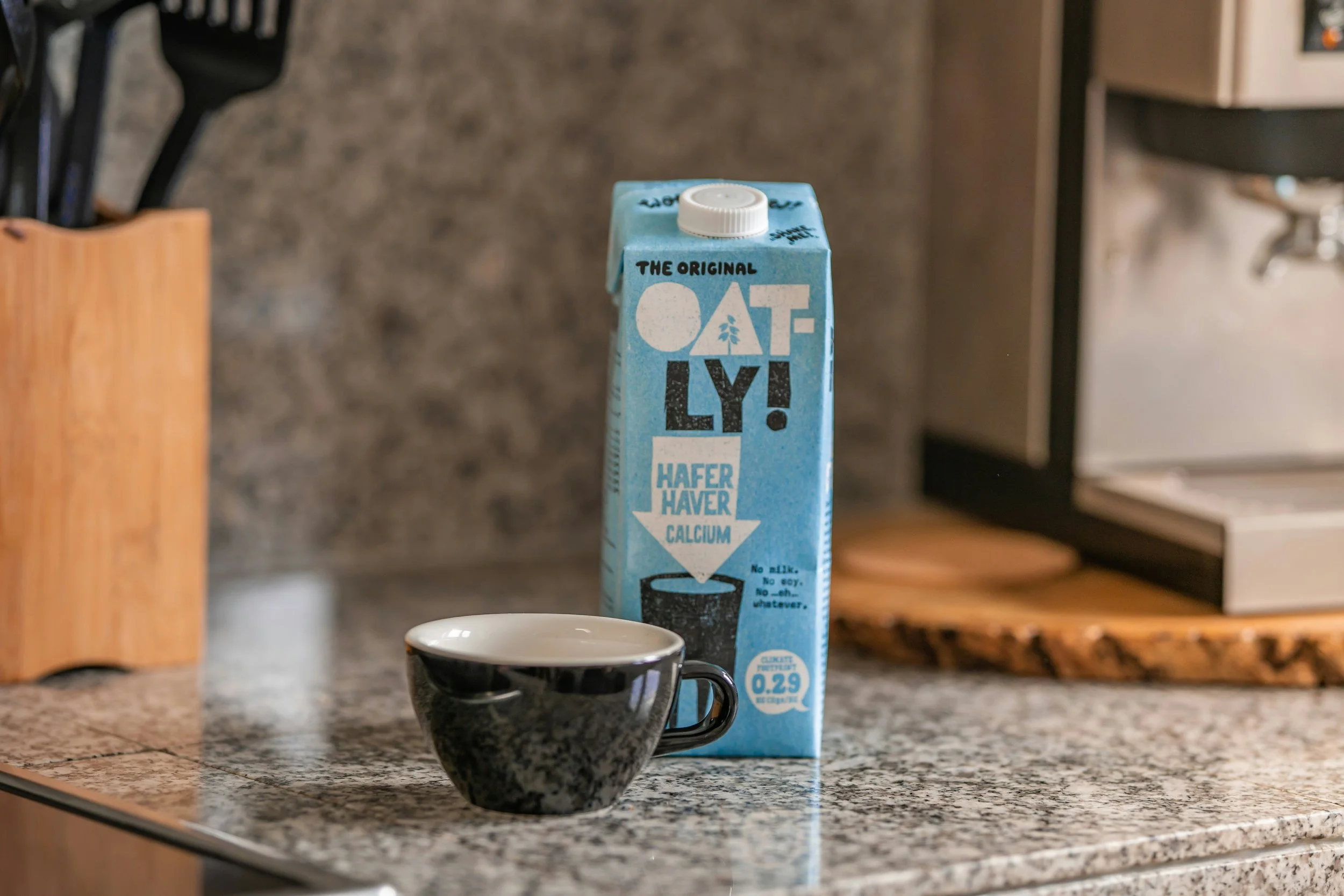
Oatly transformed from a niche lactose-free product into a global plant-based leader.
Company Profile
Company: Oatly Group AB
Product: Oat-based dairy alternatives
Category: Plant-based beverages & dairy alternatives
Founded: 1994
Headquarters: Malmö, Sweden
Estimated Revenue: $823.7M (2024)
Portfolio: Oat milk, ice cream, yogurt alternatives, cooking creams
The Backstory: Oatly’s Origins
Oatly was founded in 1994 by Swedish food scientist Rickard Öste, based on research from Lund University aimed at creating a lactose-free alternative to dairy. For nearly two decades, the company remained a niche player, primarily serving health-conscious consumers in Sweden with a science-led, functional positioning.
By 2012, despite having a strong product, Oatly’s growth remained limited, with revenue around 180 million SEK (~$20M USD). The brand lacked visibility, emotional resonance, and differentiation beyond its health benefits, leaving significant untapped potential in a market that was beginning to shift toward plant-based consumption.
““You can have the most beautiful product in the world, but it is worthless if you don’t have the strategy and execution.””
The Pivot: Reimagining a Brand
In 2012, Oatly made a deliberate and comprehensive pivot; one that extended far beyond the product.
Under Petersson and Creative Director John Schoolcraft’s leadership, the company reimagined how it showed up in the world:
Positioning Shift: Reframed from lactose-free functional product to an environmentally driven, plant-based lifestyle brand
Brand Voice: Adopted a bold, irreverent tone (“It’s like milk, but made for humans”) to challenge category norms
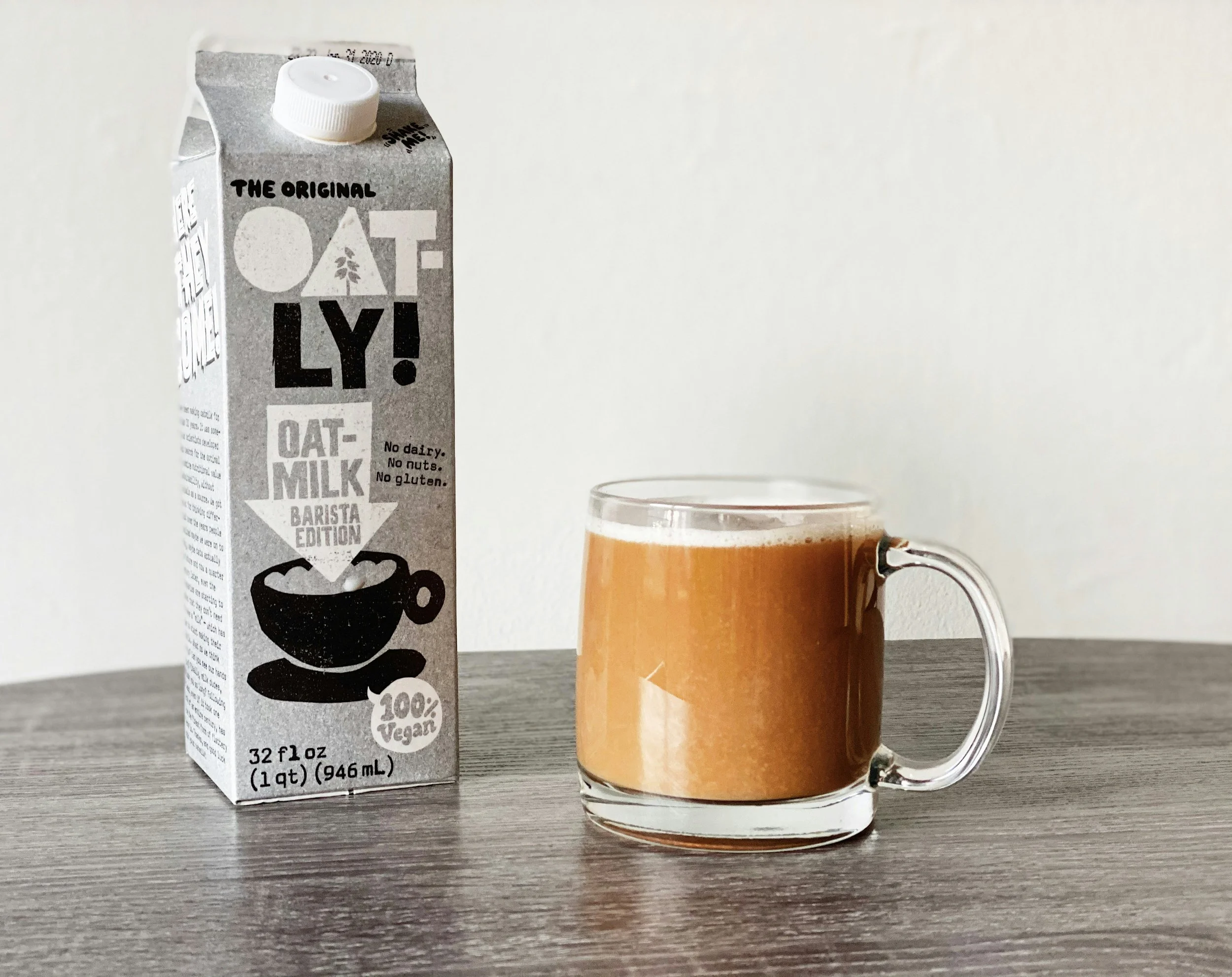
Packaging Redesign: Introduced minimalist, text-forward packaging that communicated transparency and stood out on shelf
Cultural Strategy: Leaned into sustainability and activism, openly challenging the dairy industry
Channel Expansion: Prioritized coffee shops as an early trial engine before scaling into retail
This was not a single change. It was a coordinated, iterative redesign of how the product, brand, and consumer meaning worked together.
Schoolcraft noted that, “The board wanted someone who would shake things up and create an entirely new vision for the company.” They got one.
The Results: Multiplying Revenue & Market Growth
The impact of Oatly’s iterative transformation was significant:
Revenue Growth: Oatly blossomed from ~$20M (2012) to $823.7M (2024)
IPO: Valued at ~$10B at 2021 public listing
Distribution:
60,000+ retail stores globally (by 2020)
32,000+ coffee shops worldwide
Portfolio Expansion: Entered adjacent categories including ice cream, yogurt, and cooking products
Market Expansion: Successfully scaled across Europe, the U.S., and China
This growth was not driven by a fundamentally new product but by a new interpretation of its value.
Why It Worked
1. The product was already strong - the updated brand strategy unlocked its potential.
Oatly’s core product was scientifically sound and delivered a positive sensory experience. The opportunity was not reinvention, but reframing how consumers understood and engaged with it.
2. The brand aligned itself with emerging consumer shifts.
Oatly anticipated a broader shift toward sustainability, ethical consumption, and plant-based diets, particularly among younger consumers. Rather than reacting, it positioned itself ahead of that curve.
3. The brand system was cohesive and distinctive.
From packaging to tone of voice to campaign execution, Oatly created a unified identity that stood apart from both dairy and traditional plant-based competitors. This consistency drove both trial and repeat.
4. The strategy integrated product, brand, and distribution
The decision to focus early on coffee shops created a powerful trial and feedback loop. Consumers experienced the product in a high-quality context, accelerating adoption and credibility.
What CPG Innovation Teams Can Learn from Oatly
Recognize when the opportunity is bigger than current performance. Strong products often underperform due to positioning, not capability. Identifying when there’s “more in the tank” and being willing to move on it requires both conviction and patience.
Re-evaluate your full asset base. What begins as a secondary benefit (e.g., sustainability) can become the primary driver of growth when consumer context shifts; properly accounting for your assets and monitoring this context can open up major new opportunities.
Design innovation as an iterative system, not just an ‘A-ha’ moment. Oatly’s success came from aligning product, brand, packaging, and channel over a series of related strategic decisions and actions, not from a single breakthrough idea.
In Summary: The Big Idea
What looks like reinvention is often the result of seeing something familiar more clearly. Oatly didn’t change what it made; it changed how it understood its role in consumers’ lives, and then reimagined its business to match. That mindset of treating innovation as an evolving system is one aspect of innovation that we’ll continue to unpack throughout this series.
Follow Innovation by Design
Thanks for reading! Innovation by Design is a series produced by Integral CPG and Horizon X. Follow along for more case studies on how brands turn insights into innovation and growth.
People Also Ask
Why did Oatly succeed after its repositioning?
Oatly succeeded because it reframed its value from a functional health product to a culturally relevant, sustainability-driven brand. This shift aligned with evolving consumer priorities and unlocked broader appeal without fundamentally changing the product itself.
What type of innovation strategy did Oatly use?
Oatly used an iterative innovation strategy focused on brand repositioning, packaging redesign, and channel expansion. Rather than launching a new product, it reinterpreted its existing product through a new consumer lens and enacted a series of changes to its business based on this reinterpretation and the market signals it generated.
What can other CPG brands learn from Oatly’s growth?
CPG brands can learn that innovation is not always simply about new products and singular moves. A consistent campaign of reframing existing assets, aligning with emerging consumer values, and executing consistently across touchpoints can unlock significant growth.
