
Inside Innovation: What to Watch in CPG - January 2026
This Month’s Key Takeaways:
As supplier and co-manufacturing ecosystems mature, it has become easier for more players to launch products that meet baseline expectations on taste, nutrition, packaging, and functionality; in other words, are “good enough” for customers to try.
Value goes beyond price, with taste, sensory payoff, and emotional resonance playing a larger role in consumer purchase decisions.
B2B flavor innovation is accelerating, signaling that brands are using flavor systems to maintain value while managing costs.
Health-focused food innovation is best when it is accessible. Bel × Foodberry are redesigning snacking to make consuming real fruit, protein, and functional nutrition easier and more desirable for consumers to incorporate into their diet every day.
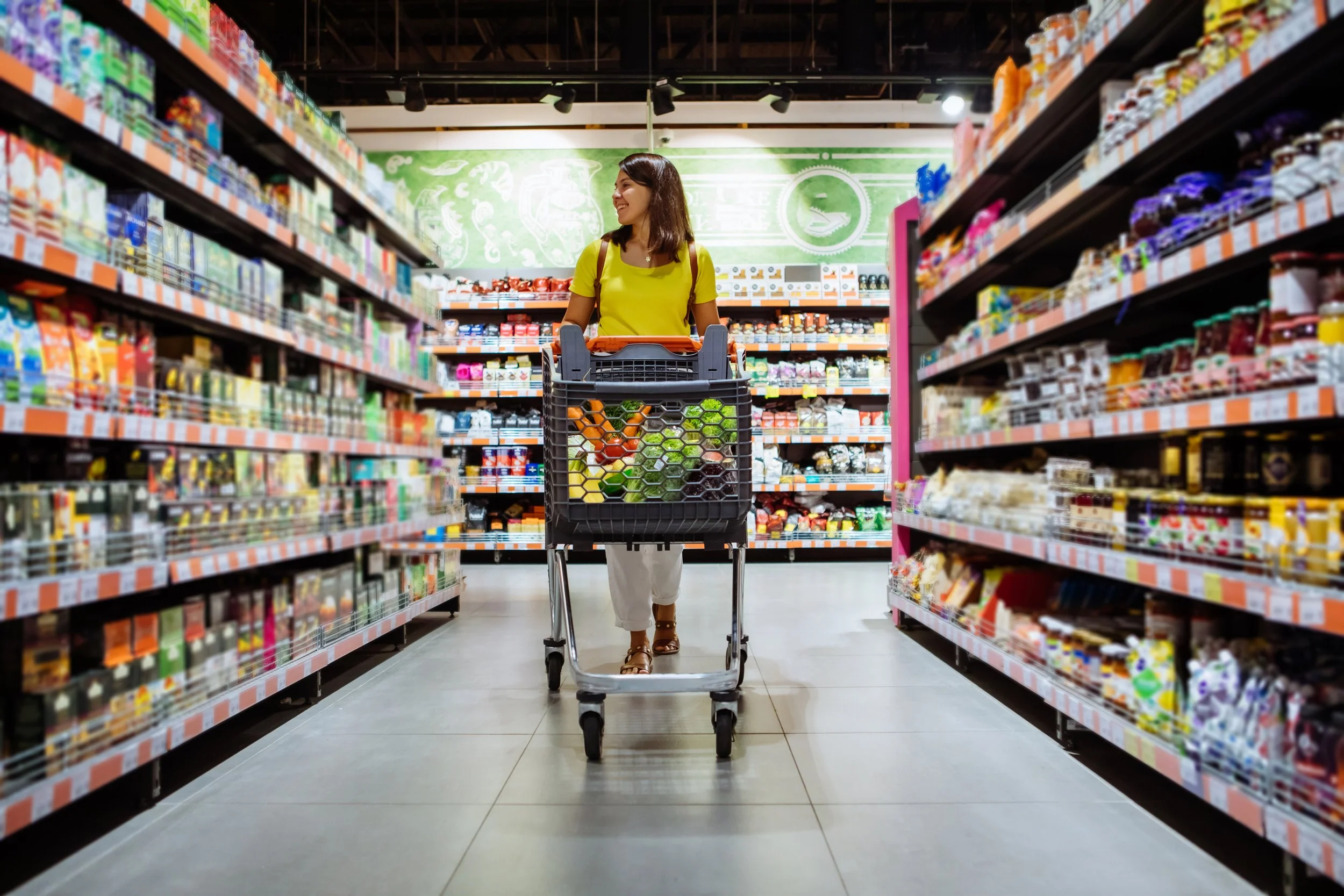
It’s never been easier to get a ‘good enough’ CPG product on the shelf.
When “Good Enough” Wins: What the PLMA Trade Show Signals About the Future of Branded Innovation
Prepared Foods
In this guest article, Integral co-founder Glenn Pappalardo reflects on insights from the Private Label Manufacturers Association (PLMA) trade show. He unpacks what “good enough” really means in today’s food and beverage landscape and how that affects product innovation.
In Glenn’s view, achieving “good enough” is not about brands aiming lower. Instead he points out that it has never been easier to bring a viable, “good enough” product to market. Baseline expectations around taste, texture, nutrition, packaging quality, and functional benefits are increasingly achievable thanks to a rapidly maturing ecosystem of co-manufacturers, suppliers, and external partners. As a result, more players can enter categories quickly with offerings that meet consumers' needs.
Why it matters:
As the floor for product viability rises, Glenn points out that brands “must cultivate external networks over time as they would any key internal asset. Given the pace at which the innovation landscape is evolving, no one company can keep up with things all by themselves.” The sources of competitive advantage are moving beyond formulation to how companies leverage resources and effectively work and scale smarter and faster.
Read Glenn’s full perspective here
Sense-Maxxing and the New Definition of Value
FoodNavigator-USA
At the Winter Fancy Faire, the Specialty Food Association revealed six emerging trends reshaping how consumers engage with food and beverage as they seek more value as inflation and GLP-1 use cut into volume and dollar sales.
This episode of the Soup-to-Nuts podcast explores how “value” in food is being redefined by moving beyond price per ounce toward sensory payoff, emotional satisfaction, and perceived benefit. The discussion highlights trends from the trade show, like “sense-maxxing,” where brands optimize flavor, texture, and experience to justify premium positioning even in cost-conscious times.
Why it matters:
Even as price sensitivity persists, brands that can clearly articulate and deliver experiential value are better positioned to defend margin and loyalty.
Listen to the conversation here
McCormick’s Earnings Reveal Where Flavor Demand Is Heading
FoodIngredientsFirst
McCormick’s latest earnings call offers a window into rising demand for their B2B flavor solutions, particularly from food manufacturers looking to differentiate without adding operational complexity. The article highlights how flavor innovation is increasingly used to deliver novelty, indulgence, and “value-add” experiences.
The article notes that “Demand for customized flavor systems is being driven by key application areas, including snacks, ready meals, sauces, and protein-based products, where manufacturers are under pressure to refresh taste profiles, localize flavors, and reformulate recipes without increasing shelf prices.”
Why it matters:
For many brands, flavor is a strategic growth driver, not just a formulation detail.
Explore the article here
Bel Group and Foodberry: A Partnership Play in Better-For-You Snacks
Food Dive
Bel Group and Foodberry are tackling a persistent nutrition gap with an innovation-led approach: helping consumers eat more fruit and nutrient-dense foods by redesigning how those foods show up in everyday snacking.
Despite rising interest in health and wellness, the majority of Americans still fall short when it comes to choosing raw food. Foodberry’s technology uses plant-based coatings of fibers, phytonutrients, and minerals to protect real fruit and vegetables, enabling them to be delivered in formats that are both convenient and craveable. When paired with Bel’s portfolio and protein-forward positioning, the result is a new class of fruit snacks that combine real fruit, functional nutrition, and protein in accessible, portionable forms.
Rather than asking consumers to change habits, this partnership focuses on making better choices easier and more appealing by embedding nutrition into formats people already enjoy, and increasing the likelihood of repeat consumption over time.
Why it matters:
Products that reimagine and deliver healthy food without sacrificing taste or convenience may be one of the most meaningful product innovation approaches in the CPG industry.
Read more about the collaboration
Are you a leader of innovation in CPG? Contact our team - we’d love to hear from you.
