
5 CPG Innovations That Were Wildly Successful and What Brands Can Learn From Them
Summary: CPG Innovation Lessons You Can Reuse
CPG innovation rarely succeeds by accident; it succeeds when the market opportunity is iterated precisely. Each example below addressed a specific, well-defined consumer opportunity rather than chasing a trend.
Food innovation performs best when teams design the right conditions for success early, aligning product, business model, and go-to-market realities.
CPG innovation outcomes improve when options are evaluated against shared criteria, balancing consumer fit, differentiation, feasibility, scalability, and economics rather than relying on momentum or instinct.
Wildly successful food innovation is engineered for scale from the start, with products designed to be produced, distributed, and repurchased consistently.
The common thread across successful innovation isn’t a single breakthrough idea, but designing innovation intentionally and as an integrated system.
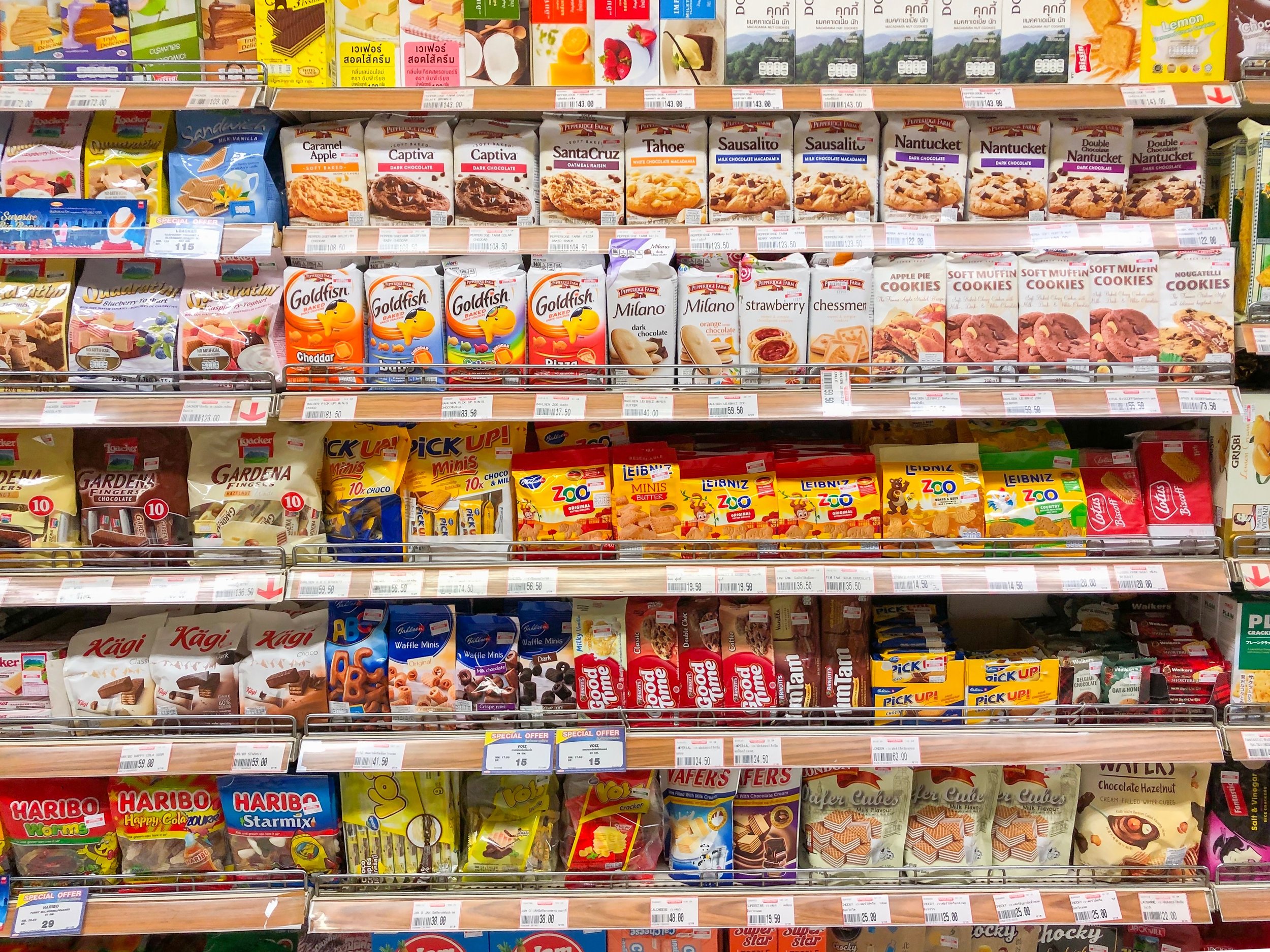
Iconic CPG products often have several things in common when it comes to their innovation approach.
Some of the most celebrated CPG innovation stories feel inevitable in hindsight. A product launches, adoption takes off, and a brand becomes synonymous with a category.
In reality, these outcomes are rarely the result of a single creative breakthrough. They emerge from a series of intentional decisions by product innovation teams that, combined, create products that redefine categories, exceed expectations, and inspire brand loyalty across generations.
Below are five wildly successful CPG innovations and the practical lessons brands can apply when building stronger food innovation systems today.
What We Mean by “Wildly Successful” CPG Innovation
In this article, “wildly successful” innovations meet at least one of the following criteria:
Created or reshaped a category
Achieved sustained, large-scale adoption
Became a long-term platform rather than a short-lived SKU
Each example also maps to one or more of Integral’s core innovation success factors:
strong opportunity framing
the right conditions for ideas to work
clear assessment criteria
scalability and commercialization discipline
1) Pop-Tarts: Creating a New Breakfast Concept Through Convenience
Pop-Tarts didn’t just introduce a new pastry. It redefined what breakfast could be.
Why it was successful
Launched by Kellogg’s in the 1960s, Pop-Tarts addressed a growing behavioral shift: consumers wanted breakfast that was fast, portable, and didn’t require preparation rituals like bowls, milk, or utensils. The product sold out upon launch and has since become a billion-dollar brand with decades of sustained relevance.
What brands can learn
Lesson: frame innovation opportunities around how people live, not how categories are defined
Pop-Tarts succeeded because the opportunity was focused around convenience under modern time pressures, not around improving cereal or baked goods. The product format, shelf stability, and flavor system all reinforced that approach.
Which success factors it demonstrates
Framed the opportunity well: it addressed a real, everyday behavioral gap
Highly scalable and commercializable: advantaged manufacturing, long shelf life, mass distribution
FAQ: Why is Pop-Tarts still relevant decades later?
Because it fits modern routines and continues to evolve flavors and formats without breaking the core use case.

Cheetos gave consumers a different snacking texture and experience.
2) Cheetos: Differentiation That Built Habit and Longevity
Cheetos shows how true sensory differentiation can sustain a brand for generations.
Why it was successful
Introduced by Frito-Lay, Cheetos stood apart in a crowded snack landscape through a distinct combination of innovative texture, flavor, and visual identity. That differentiation drove strong repeat purchase, enabling the brand to expand into multiple formats and flavor extensions while maintaining a clear core identity.
What brands can learn
Lesson: differentiation should be experienced, not just described
Cheetos didn’t win by being marginally better; it won by being unmistakably different. The product created its own sensory lane, making substitution difficult and loyalty natural.
Which success factors it demonstrates
Developed the right conditions for success: clear sensory identity
Highly scalable and commercializable: standardized production and global distribution
FAQ: How did Cheetos avoid becoming a fad?
By protecting the core experience while iterating around it. Cheetos continues to extend its platform without diluting what made it distinctive.
3) Gatorade: Turning an Athletic Performance Need Into a Mass Category
Gatorade is one of the clearest examples of food innovation rooted in a sharply defined job-to-be-done.
Why it was successful
Developed initially to address athlete hydration, Gatorade solved a specific physiological problem and translated it into a product consumers could easily understand. Under PepsiCo, the brand scaled distribution, education, and credibility, turning sports hydration into a mainstream behavior.
What brands can learn
Lesson: clarity of purpose accelerates adoption
Gatorade wasn’t marketed as “a flavored drink.” It was marketed as “fuel for performance,” which made the benefit intuitive and the use occasion obvious.
Which success factors it demonstrates
Framed the opportunity well: clear user profile, need, and moment
Highly scalable and commercializable: mass distribution with strong repeat behavior
FAQ: What’s the risk of vague positioning in food innovation?
Consumers may try the product, but without a clear job, they won’t know when or why to repurchase.
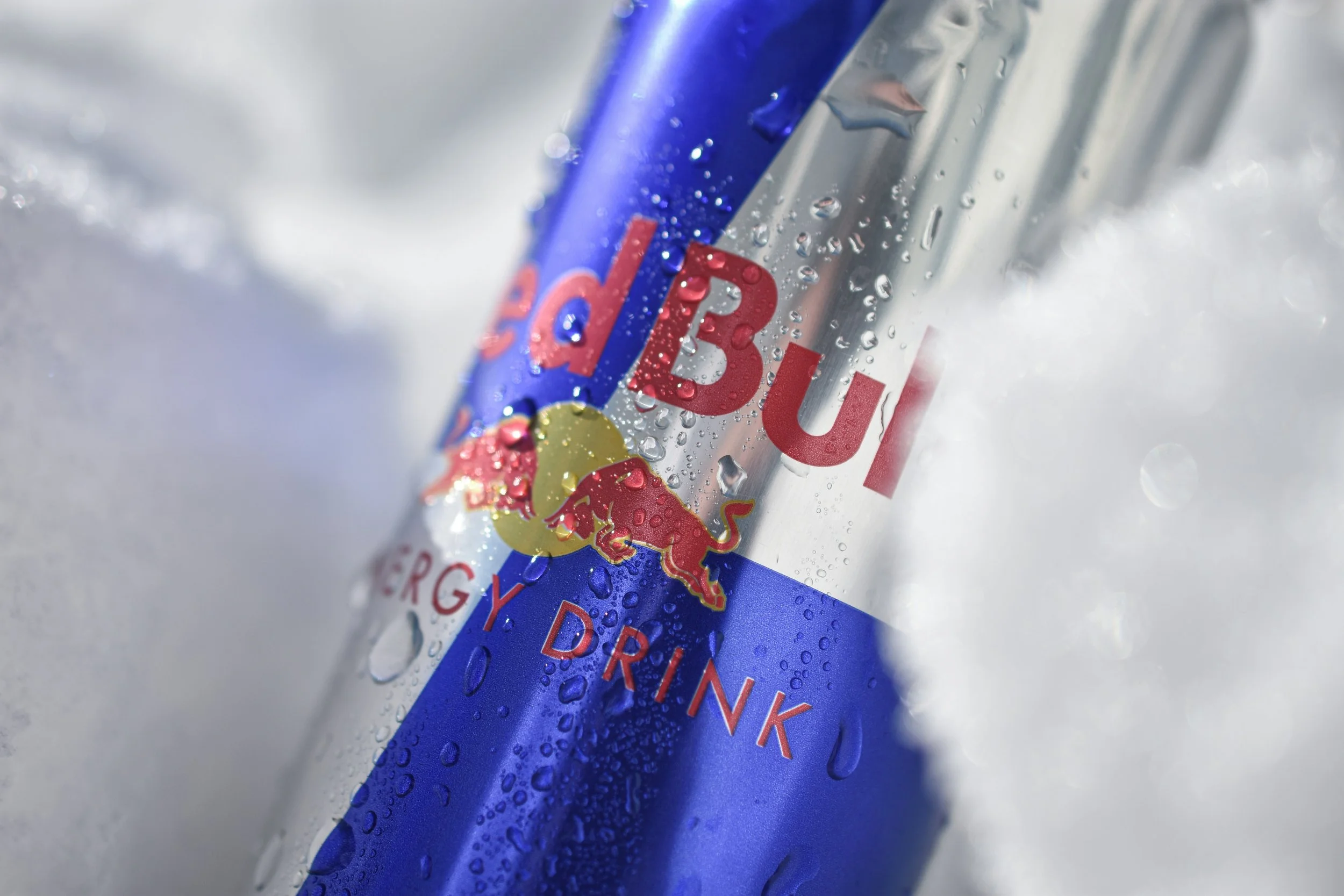
Red Bull became a cultural phenomenon.
4) Red Bull: Engineering a New Energy Ritual
Red Bull succeeded by creating a culture, not just a beverage.
Why it was successful
Rather than competing directly with soda, Red Bull established “energy” as a distinct consumption need, and supported the concept with a strong cultural and experiential brand system. The product format, pricing, and distribution were all designed to reinforce that positioning.
What brands can learn
Lesson: the right conditions for success may include cultural adoption, not just formulation.
Red Bull scaled because it first embedded itself in moments where energy mattered, then it made the brand part of the culture surrounding those moments, from sporting events to nightlife.
Which success factors it demonstrates
Developed the right conditions: product, brand, and occasion alignment
Highly scalable and commercializable: standardized format and global reach
FAQ: Does every food innovation need lifestyle branding?
No, but episodic products benefit from clear occasion design to drive frequency.
5) Capri-Sun: Packaging as the Innovation That Scaled a Habit
Capri-Sun proves that format can be the breakthrough.
Why it was successful
By focusing on portability, shelf stability, and kid-friendly use, Capri Sun created a product that fit perfectly into lunchboxes and on-the-go moments. The pouch wasn’t just packaging; it defined the consumption ritual.
What brands can learn
Lesson: scalability improves when format removes friction
Capri-Sun made it easy for parents to buy and kids to consume, reinforcing repeat purchase at scale.
Which success factors it demonstrates
Framed the opportunity well: clear occasion and user
Highly scalable and commercializable: durable format for mass distribution
FAQ: What made Capri-Sun easier to scale than other juice products?
Its shelf-stable pouch format simplified manufacturing, distribution, and on-the-go consumption, making mass commercialization more reliable and cost-effective.
The Pattern Behind Wildly Successful CPG Innovation
Across all five examples, the pattern is consistent:
The opportunity was clearly iterated
The conditions for success were intentionally designed
Scale and commercialization were engineered early
The common thread across these successes isn’t a single breakthrough idea. Instead, it’s intention. It’s the discipline to understand the opportunity deeply, think beyond features, and design innovation as an integrated system from the start.
If your team is debating what “good” looks like in CPG innovation, share this article. Concrete examples align teams faster than theory.
And if you’re navigating how to frame opportunities, assess options, or design for scale, contact Integral for support with your innovation strategy so we can ensure its grounded in intention, disciplined decision-making, and real-world viability.
People Also Ask: CPG Innovation
What is CPG innovation?
CPG innovation involves creating new products, formats, or platforms that drive sustained consumer adoption and business growth.
What makes food innovation successful?
Clear problem framing, differentiated value, feasibility at scale, and a commercialization strategy that supports repeat behavior.
Can packaging be considered product innovation?
Yes, when it improves convenience, usability, distribution, or the consumption occasion.
Why do some great CPG innovation ideas fail?
Often because the conditions for success, including scale, cost, distribution, and clarity of use, weren’t designed early enough or prioritized.
