
Inside Innovation: What to Watch in CPG - April 2026
This Month’s Key Takeaway: Innovation has become more constrained and more intentional.
Across protein formulation, sustainability, functional beverages, and startup ecosystems, the pattern is consistent: growth is happening, but the conditions for winning have changed. The brands that succeed are not chasing more ideas. They are making sharper tradeoffs, aligning innovation with real consumer behavior, and building systems that prioritize long-term value over short-term momentum.
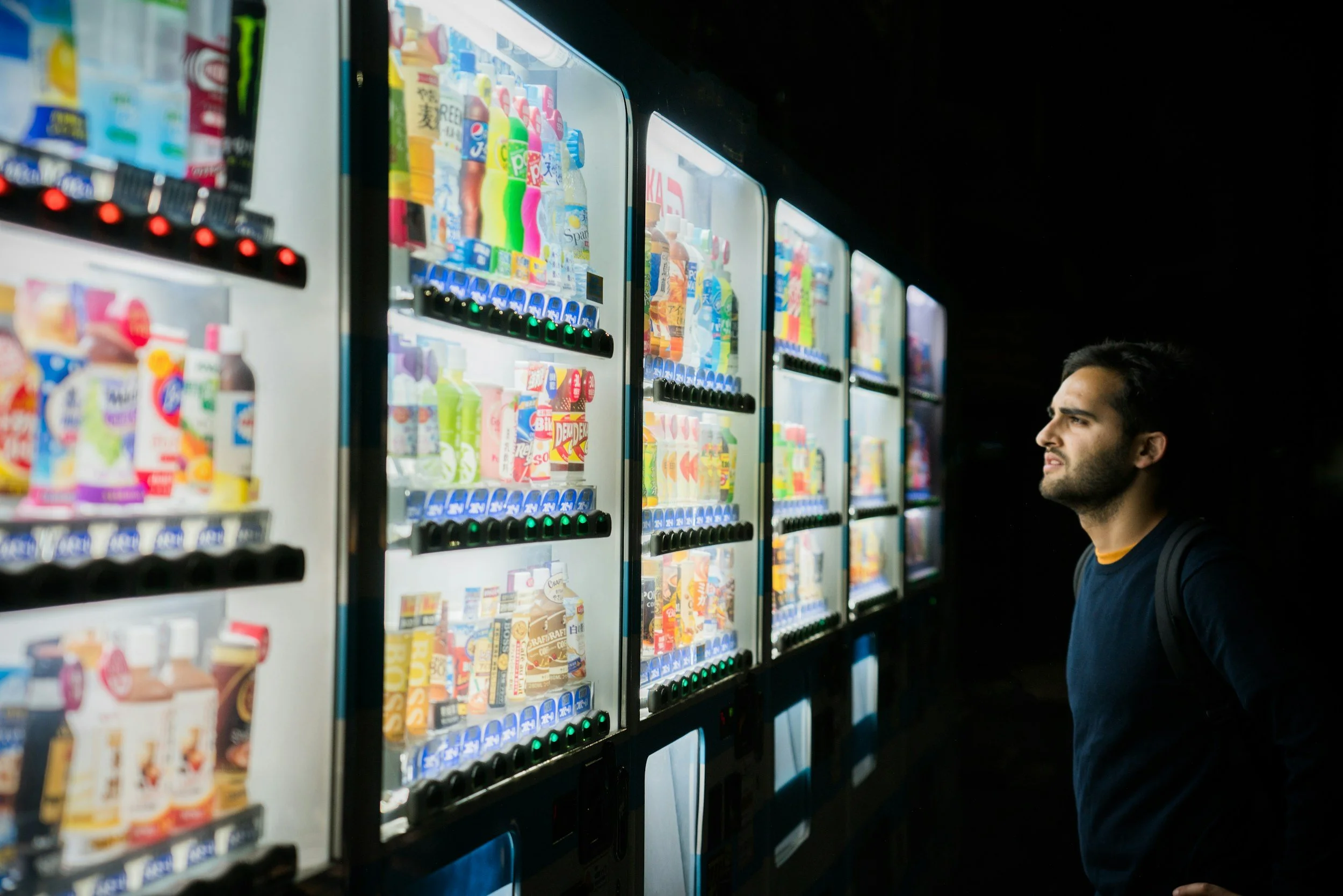
The CPG Hype Cycle Is Breaking Down
Fast Company | Innovation & Market Dynamics
There is growing tension between perceived innovation and actual value creation.
An estimated 70–85% of new CPG products fail within a few years
Many brands rely on co-manufacturing and incremental changes rather than true R&D
Innovation is often driven by marketing velocity instead of technical depth
The result is a cycle where:
Trends drive product creation
Products lack differentiation
Brands fail to sustain momentum
The proposed shift is clear: CPG brand teams must move from reactive, trend-driven iteration to R&D-led, purpose-driven innovation.
What this means for innovation teams:Product innovation without substance is becoming a liability. The next phase of innovation will favor brands that control more of their value chain, invest in real capability, and build products that solve enduring problems, not just momentary demand spikes.
Read the full article here.
Protein Innovation Is No Longer About “More”; It’s About Tradeoffs
Food Dive | Protein Formulation Strategy
Protein continues to anchor current food innovation focus, but the conversation is shifting from quantity to composition. While two-thirds of consumers are actively trying to increase protein intake, manufacturers are now balancing cost, functionality, and nutritional quality in more deliberate ways.
Soy, pea, and dairy proteins each present different advantages:
Soy offers cost efficiency and high protein quality
Dairy provides complete amino acid profiles but is increasingly expensive
Pea offers differentiation and fewer allergen concerns
What is emerging is not a “winner,” but a portfolio approach that blends sources to optimize performance across multiple dimensions.
What this means for innovation teams:Ingredient strategy has become a commercial decision. The right choice depends on brand positioning, cost targets, supply stability, and consumer perception, not just nutrition.
Learn more about protein formulation strategy by reading the article.
Sustainability Has Moved From Messaging to Market Share
Prepared Foods | NYU Stern x Circana Study
Gone are the days where sustainability felt like a trend. In 2026, it is a measurable growth driver. From a recent study:
Sustainable products now represent 25.4% of total CPG dollar share
They are growing at a 10.9% CAGR—nearly 5x faster than conventional products
They have driven nearly half of all CPG growth since 2013
At the same time:
85% of consumers say sustainability matters in brand decisions
Consumers are willing to pay a ~9% premium when value is clear
What this means for innovation teams:Sustainability has to be tangible. Winning brands are not making abstract claims, but instead are connecting sustainability directly to consumer benefit, including health, quality, or performance.
Learn more here
.
Hydration Is Expanding Into a Daily Use Case
Food Business News | Functional Beverage Trends
Hydration is evolving from a narrow occasion traditionally sports performance) into a mainstream daily need.
95% of consumers understand hydration is important
Yet 150M+ Americans regularly experience mild to moderate dehydration
This gap is driving a new wave of innovation:
Electrolytes moving into everyday beverages
“Hydration-plus” formats (hydration + energy, protein, or functional benefits)
Expansion into new audiences (e.g., children, general wellness)
However, formulation complexity is increasing. Electrolytes impact taste, requiring more sophisticated product design.
What this means for innovation teams:Hydration is not just a feature, it is becoming a platform. But like protein, it requires careful integration. The opportunity is not adding functionality but delivering it in a way consumers will adopt - daily.
You can find the full post here.
The Throughline: Innovation Needs to Be System-Driven
If there is one takeaway this month, it is this: Innovation is no longer constrained by ideas. It is constrained by execution readiness and clarity of design.
The brands that launch successful innovations are those that:
Align formulation with commercial realities
Build capabilities, not just products
Design innovation around real behavior, not assumed demand
And increasingly, success is defined around how well teams connect:
Consumer need
Product design
Operational feasibility
Commercial strategy
Into a single, cohesive system.
If you’re navigating these shifts or building your next innovation pipeline, let’s have a conversation - we’d love to help.
