
Innovation by Design | Case Study #3: LaCroix and the Power of Iterative Innovation in Sparkling Water
Innovation by Design | Case Study #3: LaCroix
Innovation by Design is a series presented by Integral CPG and Horizon X, in which we explore how successful brands have used intentionally iterative design to drive successful food and beverage innovation.
We define ‘iterative design’ as a product innovation philosophy that involves a stated intention - and supporting process - to continually improve a new offering through intentional iterative consumer exposure, learning and change actions.
Snapshot
LaCroix transformed from a regional sparkling water brand into a category leader by iterating on flavor variety, health positioning, and unconventional marketing as consumers moved away from soda. The result: ~30% U.S. sparkling water market share and a category-defining brand. (MatrixBCG)
Company Profile
Company: National Beverage Corporation
Product: LaCroix full portfolio
Category: Sparkling water / functional refreshment
Founded: LaCroix launched in 1980 in Wisconsin
Headquarters: Parent company based in Fort Lauderdale, Florida (National Beverage Corp.)
Estimated Revenue: Parent company generated ~$1.20B in FY2025 net sales (Business Wire)
Major Brands / Portfolio: LaCroix, Shasta, Rip It, Everfresh (Data Insights Market)
The Backstory
LaCroix existed for decades as a relatively niche sparkling water brand. But by the early 2010s, U.S. consumers were increasingly rejecting sugary sodas amid rising health concerns and demand for “clean label” beverages. Traditional beverage giants moved slowly while flavored sparkling water remained fragmented.
LaCroix’s opportunity emerged from a tension: consumers wanted healthier drinks, but many still sought flavor and ritual.
The company leaned into zero calories, zero sweeteners, and naturally flavored positioning before wellness-oriented beverages became mainstream. By the mid-2010s, sparkling water consumption accelerated rapidly across the U.S. market. (CSIMarket)
Nick Caporella, Chairman & CEO, framed the company philosophy as: “Innovation accelerates growth.” That mindset became central to LaCroix’s evolution.
“Innovation accelerates growth.”
The Pivot: A Brand Evolution
Rather than one breakthrough launch, LaCroix evolved through repeated small pivots:
Price accessibility
The brand was positioned as a mass-market alternative to imported European sparkling waters like Perrier and San Pellegrino
During its growth years, analysts frequently described it as delivering a premium sparkling-water experience at a much more accessible price point, with one describing LaCroix as "basically a Perrier or a San Pellegrino that is priced like Coke."
Health-first repositioning
Emphasized zero sugar, zero sweetener, zero sodium
Benefited from declining soda consumption
Positioned sparkling water as a lifestyle rather than substitute beverage (CSIMarket)
Flavor expansion strategy
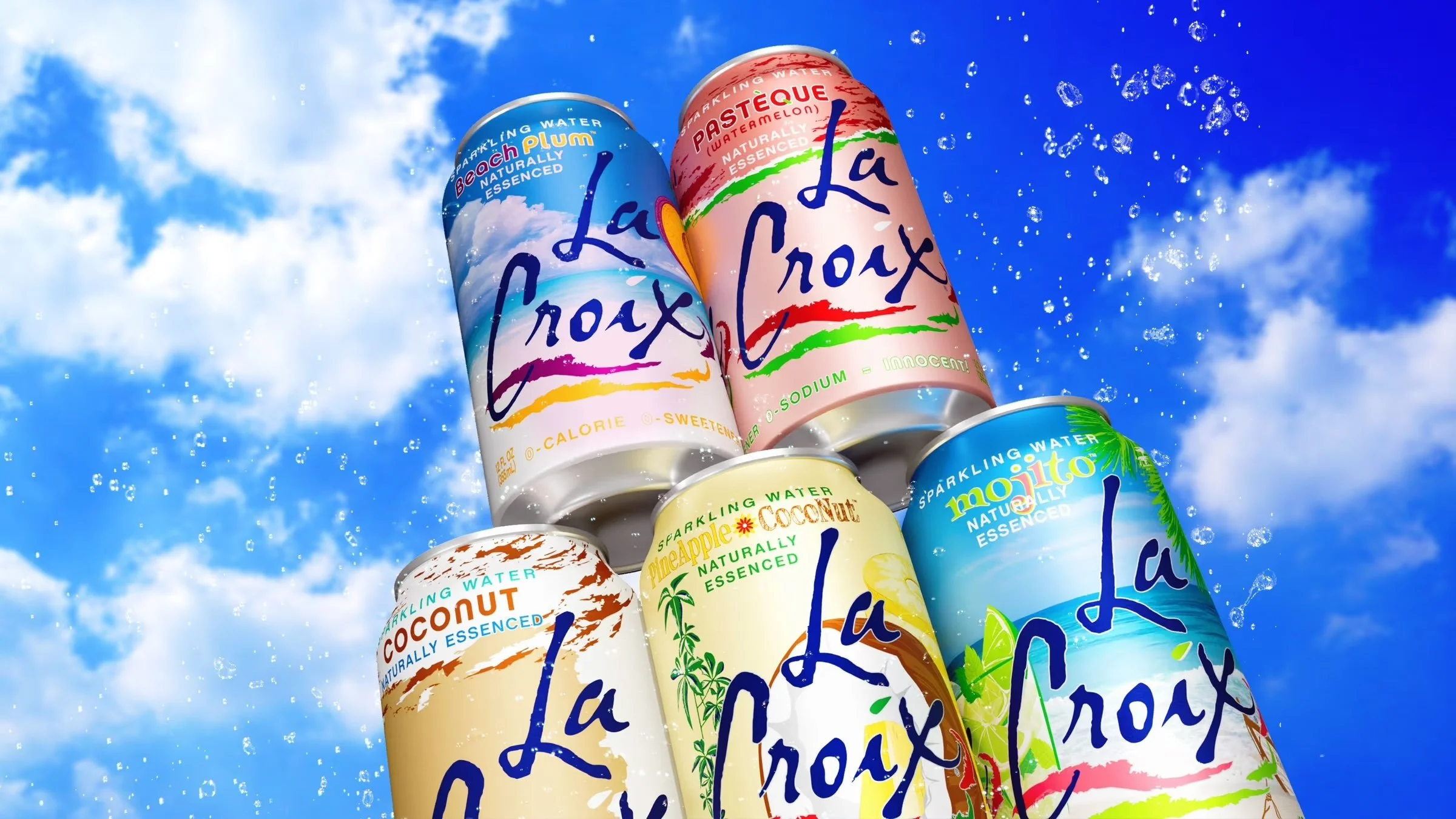
Introduced dozens of fruit combinations and seasonal launches
Used novelty to maintain consumer interest without changing core formulation
New flavors continue driving volume growth; recent launches supported FY2025 sales gains (Forbes)
Unconventional brand building
Relied heavily on organic social adoption and millennial lifestyle culture
Minimal traditional advertising allocation compared with Pepsi, Coca-Cola or similar competitors
Portfolio iteration
Variety packs
Seasonal products
Packaging refreshes
New formats and merchandising approaches (National Beverage Corp.)
The pivot was not product reinvention. It was a disciplined iteration around consumer behavior.
The Results: Increasing Revenue & Market Growth
Measurable outcomes from LaCroix’s iterative innovation approach:
Approx. 30% U.S. sparkling water market share, making LaCroix category leader (MatrixBCG)
Parent company generated $1.20B FY2025 revenue (Business Wire)
FY2025 Q4 sales increased to $313.6M (+5.5% YoY), partially driven by new LaCroix flavor launches (Forbes)
Sparkling water category growth helped transform LaCroix into one of the largest domestic sparkling water brands in North America (CSIMarket)
Maintained category leadership despite entry from major competitors including Bubly and Topo Chico (Trefis)
Why It Worked
LaCroix’s success illustrates several principles common in strong CPG innovation strategy:
1. It identified behavior shifts early
Consumers reduced soda consumption before many incumbents reacted. LaCroix captured emerging health expectations rather than responding after demand matured.
2. Iteration replaced reinvention
The core product changed very little; instead, growth came from significant flavor, packaging, and portfolio extensions.
3. Positioning became a competitive moat
LaCroix evolved from beverage to lifestyle symbol, all while remaining accessible (both in price point and extent of distribution). The brand benefited from wellness and social identity trends.
4. Innovation stayed close to feasibility
Unlike many food innovation efforts requiring reformulation or manufacturing complexity, LaCroix could launch new flavors rapidly and at lower operational risk.
5. It chose accessible premium over prestige premium
Rather than competing directly with Perrier and San Pellegrino on exclusivity, LaCroix delivered a similar sparkling-water experience at a price point closer to mainstream beverages. This widened the addressable market, encouraged repeat purchase behavior, and helped the brand become a daily habit rather than an occasional indulgence.
What CPG Innovation Teams Can Learn from LaCroix
Understand the Customer Job-to-be-Done: Consumer shifts often appear before category data confirms them
Iteration Over Reinvention: Small iterations around flavor, format, and positioning, when done well, can outperform radical product changes
Release Over Launch: Repeated learning cycles create durable growth advantages in food & beverage innovation
Follow Innovation by Design
Thanks for reading! Innovation by Design is a series produced by Integral CPG and Horizon X. Follow along for more case studies on how brands turn insights into innovation and growth.
People Also Ask
Why did LaCroix become successful?
LaCroix benefited from rising consumer demand for healthier beverages and positioned sparkling water as an enjoyable soda alternative. Frequent flavor innovation and strong lifestyle branding helped sustain growth.
What innovation strategy did LaCroix use?
LaCroix relied on iterative innovation: expanding flavors, refreshing packaging, and adapting positioning while keeping the core product consistent. This reduced risk while increasing consumer relevance.
What can other food and beverage brands learn from LaCroix?
Brands do not always need breakthrough products to drive meaningful growth. Consistent iteration tied to emerging consumer behavior can drive durable category leadership.
Sources
National Beverage Investor Relations: National Beverage IR
FY2025 results: National Beverage FY2025 earnings release
Annual reports: National Beverage annual reports
LaCroix background/history: LaCroix overview
Forbes reporting on new flavor growth: (Forbes)
Market share estimates and category position: (MatrixBCG)
Revenue data: (Business Wire)
