
Product Value: Why Price Cuts Are Not a CPG Innovation Strategy
Key Takeaways
A strong CPG innovation strategy should define value beyond price. Consumers may be watching budgets closely, but they still pay for products that deliver clear, meaningful, and credible benefits.
Price cuts can support short-term affordability, but they do not replace innovation. Lower prices may help remove friction, but long-term growth requires a stronger value equation.
Clear product value can come from many levers. Portion control, protein, fiber, functional hydration, convenience, taste, quality, pack size, channel fit, and brand trust can all influence whether a product feels worth the price.
The strongest brands make the benefit easy to understand. Tillamook, fairlife, and other value-resonant brands show that shoppers are often willing to pay more when the “why” is clear.
CPG teams need to build product value into the innovation brief. Unique value should be considered alongside consumer need, brand fit, feasibility, margin, packaging, and commercialization.

Price Is Only One Part of Value
Affordability has become a major pressure point across CPG. After years of inflation, many shoppers are more selective, more comparison-driven, and more willing to trade down when they do not see a clear reason to stay loyal.
That has pushed major food and beverage companies to respond. Earlier this year, PepsiCo leaned into affordability by lowering prices on several major snack brands, including Lay’s, Doritos, Cheetos, and Tostitos, with some reductions reaching up to 15%. The goal was straightforward: win back consumers who had become more cautious after years of higher prices.
That kind of move can be useful. If a product has crossed a price threshold where shoppers no longer see the value, a price correction can restore accessibility and reduce purchase friction.
But slashing prices is not always the best answer.
Price can bring a consumer back once. But it does not necessarily give them a reason to keep choosing the brand over time, especially when other brands follow suit in lowering prices. The reason behind repeat purchase has to come from the value equation.
In modern CPG, value does not have to be about paying less. It can be about whether the product delivers something that feels meaningful enough to justify what the shopper is being asked to spend.
That could be better nutrition. Better taste. More convenience. A clearer health benefit. A more satisfying portion. A stronger sensory experience. A product that fits a specific need state. A trusted brand. A premium experience that feels earned. When those benefits are clear, price becomes part of the decision, but certainly not the only one.
Consumers Are Still Willing to Pay When the Benefit Is Clear
The most important value insight for CPG teams is that consumers are not uniformly rejecting premium products. They are rejecting products where the price and benefit no longer feel aligned.
Instead of asking how to make products cheaper across the board, brands need to ask what kind of value they can credibly own. For some brands, that may mean price-pack architecture that gives shoppers more control over spend. For others, it may mean portion-smart formats that fit new consumption habits. It may mean higher-protein products, higher-fiber products, functional hydration, caffeine, reduced sugar, or other benefits that connect to a real consumer need.
It may also mean quality. This is where brands like Tillamook are useful examples. Tillamook has consistently been recognized for value by consumers, even though it often plays at a higher price point than standard competitors. That suggests shoppers are not evaluating value through price alone. They are weighing quality, trust, taste, production standards, and the belief that the product delivers something worth paying for.
fairlife offers another example. The brand’s value proposition is easy to understand: ultra-filtered dairy with more protein and less sugar than regular milk, while remaining lactose-free and tied to familiar dairy usage occasions. That clarity gives consumers a concrete reason to pay a premium. The benefit is not vague. It is specific, functional, and easy to compare.
The difference between premium pricing and clear value is that premium pricing asks consumers to pay more, while clear value helps them understand why they should.
The Innovation Question Is the Value Equation
For CPG teams, value should not be treated as a late-stage pricing conversation. It is an important part of the innovation brief.
A strong value equation connects several questions:
What consumer need are we solving?
What benefit will the consumer recognize quickly?
Why is our brand credible in delivering that benefit?
What tradeoff are we improving?
What price point or pack size fits the occasion?
What claims will make the value clear?
What channel or shelf context will reinforce the proposition?
What does the product need to deliver experientially for repeat purchase?
A high-protein product may still feel weak if it tastes compromised. A convenient product may disappoint if the portion feels too small. A premium product may struggle if the shopper cannot understand what makes it meaningfully better. A lower-priced product may still underperform if it does not solve a real need.
The strongest CPG innovation strategy looks at value as a system. Price matters. But so do format, function, taste, nutrition, convenience, pack architecture, retail placement, brand trust, and perceived quality.
When those elements work together, consumers are more likely to see the product as worth the spend.
Examples of Brands That Demonstrate Clear Value
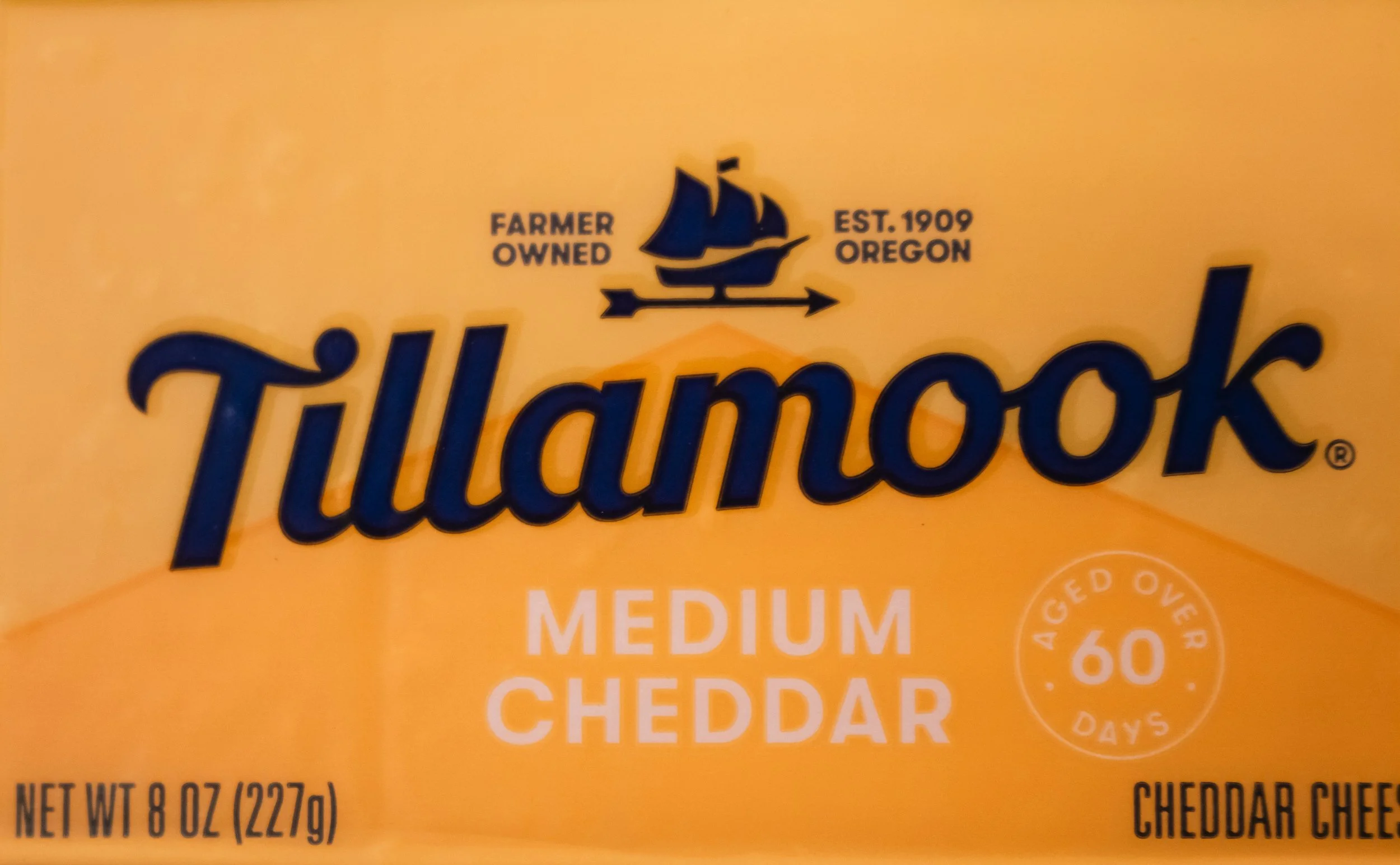
Let’s dive into the brands we discussed earlier, and explore exactly how they prove that value does not mean cheap pricing: it means justified spend.
Tillamook: Quality as Value
Tillamook’s value story is built around quality, taste, and trust. Consumers often see the brand as worth paying more for because the product experience feels materially better than standard alternatives.
Dairy is a category where shoppers can easily compare prices. Tillamook has to justify its place in the cart. Its advantage comes from making the premium feel earned through product quality, brand consistency, and a clear production story.
The lesson for CPG teams is that quality can be a value strategy when the consumer can perceive it.
If a brand wants to charge more, the product has to make the difference obvious enough to support repeat purchase. That may show up in taste, texture, ingredient quality, sourcing, production method, consistency, or brand trust.
fairlife: Functional Nutrition as Value
fairlife has built a strong position by making dairy work harder for consumers. Its ultra-filtered milk delivers more protein and less sugar than regular milk, while also being lactose-free.
That value proposition is simple, specific, and easy to understand.
For consumers looking for protein, lower sugar, and digestive ease without leaving the dairy category, fairlife gives them a reason to pay more. It does not ask shoppers to decode a complicated wellness claim. It presents a clear product improvement tied to a familiar behavior.
The lesson is that functional benefits are strongest when they are concrete and connected to an existing consumer job.
PepsiCo: Affordability Plus Benefit Clarity
PepsiCo’s price cuts show that affordability still matters. But the company’s broader innovation direction also points toward products that deliver clearer functional or lifestyle value, including portion control, protein, fiber, hydration, caffeine, and more permissible snacking. The brand has invested in popular functional beverages like Poppi, Muscle Milk, and Driftwell, to name a few.
Price can help address immediate shopper resistance, but benefit-led innovation can create a stronger long-term reason to choose the product. For a major portfolio player, the question is not whether affordability matters. It does. The question is where affordability needs to be paired with renovation, pack architecture, claims, and consumer need. Value strategy should operate at multiple levels: price, pack, product, benefit, and portfolio.
Clear Value Has to Be Credible
One reason value innovation can be difficult is that consumers are increasingly skeptical.
They have seen products shrink. They have seen prices rise. They have seen wellness claims become overused. They have seen products positioned as better-for-you without a clear benefit that matters in everyday life.
Adding a protein claim does not automatically create value. Adding fiber does not automatically create value. Reducing sugar does not automatically create value. Creating a smaller pack does not automatically create value. The benefit has to make sense in context.
For example, protein may create value when the product is tied to satiety, meal replacement, active lifestyles, aging, weight management, or GLP-1-related nutrition needs. Fiber may create value when it supports digestive health, satiety, or everyday nutrition. Portion control may create value when it helps consumers manage intake while still enjoying a product they love.
But those benefits need to be credible for the brand, desirable for the consumer, feasible for the product, and clear at the point of purchase. Otherwise, the claim becomes decoration.
A strong CPG innovation strategy asks whether the benefit is meaningful enough to justify the price, and whether the product experience delivers on the promise.
Value Innovation Requires Cross-Functional Thinking
Value cannot be solved by marketing alone. It touches every part of the innovation system.
Consumer insights help identify what tradeoffs shoppers are trying to manage. Brand strategy determines where the company has permission to play. R&D determines whether the benefit can be delivered without compromising taste, texture, safety, or quality. Packaging determines whether the value is understood quickly. Sales and category teams understand how retailers will compare the product. Finance pressure-tests margin and promotional realities. Supply chain determines whether the model can scale.
That is why value innovation can create swirl inside CPG teams. Everyone has a valid perspective, but without a shared framework, the team may debate price, claims, pack size, and product features separately instead of designing one coherent value equation.
The team needs to know what value the brand is trying to own, which consumer need it is solving, what benefits are essential, what tradeoffs are acceptable, and what must be true commercially for the idea to work.
Without that alignment, teams may overcorrect toward affordability or overbuild a premium proposition that consumers do not fully understand.
What CPG Teams Should Build Into the Innovation Brief
A better value strategy starting earlier than pricing.
Before advancing a product concept, teams should define the value equation as part of the brief. That means identifying the target consumer, the occasion, the job to be done, the benefit hierarchy, the expected price point, the pack architecture, the likely retail context, and the proof points needed to make the value credible.
Clarity around what kind of value the product is creating.
Is the product saving money? Saving time? Improving nutrition? Delivering more satisfaction? Reducing a tradeoff? Helping with portion control? Making a premium experience more accessible? Supporting a health goal? Creating a more convenient way to use the brand?
An acknowledgement that different value strategies require different product decisions.
A product designed around affordability may need simpler packaging, broader distribution, and tighter cost control. A product designed around functional nutrition may need stronger claims support, more careful formulation, and clearer education. A product designed around premium quality may need superior sensory delivery and brand proof. A product designed around convenience may need format and channel decisions that support the occasion.
The point is to avoid treating value as a generic objective. Every brand wants to deliver value. The strategic question is what kind of value the brand can credibly deliver better than alternatives.
In closing
Consumers are not only asking for lower prices. They are asking for products that make sense for the money.
Price cuts may help address short-term resistance, but they do not replace the need for clear product value. The next wave of CPG innovation strategy will come from brands that understand what consumers are really trying to solve and design products where the benefit is obvious, credible, and worth paying for.
Sometimes that will mean affordability. Sometimes it will mean portion control. Sometimes it will mean protein, fiber, hydration, caffeine, lower sugar, convenience, quality, or a better pack size. The right answer depends on the brand, the consumer, and the occasion. But the principle is consistent:
Value is not just what the product costs. It is what the product delivers.
Integral CPG is a food and beverage innovation partner for CPG brands. If you have a question about food or beverage innovation, contact us!
People Also Ask
What is value innovation in CPG?
Value innovation in CPG is the process of creating products that feel worth the price to consumers. It can include affordability, pack size, portion control, functional benefits, nutrition, convenience, taste, quality, brand trust, and channel strategy. The goal is to strengthen the consumer’s perception that the product delivers a meaningful benefit for the money.
Why are price cuts not a complete CPG innovation strategy?
Price cuts can help reduce purchase friction and respond to affordability concerns, but they do not create long-term differentiation on their own. A strong CPG innovation strategy needs to define why the product is worth choosing beyond a lower price.
How can CPG brands make products feel worth the price?
CPG brands can make products feel worth the price by delivering clear benefits that consumers value, such as better taste, higher protein, more fiber, lower sugar, convenience, portion control, trusted quality, premium ingredients, or a stronger fit with a specific occasion.
What are examples of CPG brands that demonstrate clear value?
Tillamook demonstrates value through quality, taste, consistency, and brand trust. fairlife demonstrates value through functional dairy benefits, including more protein and less sugar than regular milk. PepsiCo shows how affordability can be paired with broader product and pack strategies to address changing consumer needs.
How should value fit into a CPG innovation brief?
Value should be built into the innovation brief early. Teams should define the target consumer, occasion, job to be done, benefit hierarchy, price point, pack size, claims, channel strategy, and proof points needed to make the product’s value clear.
What is the difference between affordability and value?
Affordability focuses on whether a product is accessible at a given price. Value is broader. It reflects whether consumers believe the product’s benefits justify the price. A product can be affordable but low-value, or premium-priced but still considered a strong value if the benefit is clear.
